


Fun and Amazing ‘What Am I?’ Riddles for Preschoolers
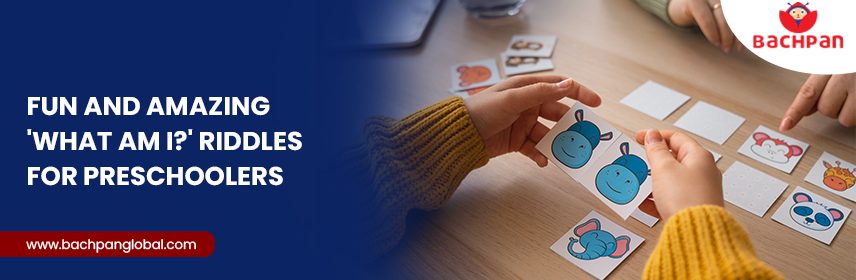
What am I riddles for preschoolers turn everyday objects, animals, fruits, shapes, and things in nature into fun guessing games. These simple puzzles encourage children to listen to clues, think about what they know, and describe the world around them.
This collection features 50 easy what am I riddles for preschoolers with answers, organised into familiar themes such as animals, fruits and vegetables, shapes, colours, nature, and everyday objects. Parents and teachers can use these riddles at home or in the classroom to encourage vocabulary development, observation, and playful problem-solving.
Read each clue aloud and give your child enough time to guess the answer before revealing it. You can also offer a picture or an extra hint to make the activity easier for younger children.
What Are What Am I Riddles for Preschoolers?
What am I riddles are short puzzles that describe an animal, object, fruit, shape, or other familiar thing through a few clues. Children listen to the description and try to identify the correct answer.
For preschoolers, the best riddles use simple words and clear descriptions. For example, a riddle about something yellow that monkeys like to eat may lead children to guess a banana. A shape riddle might describe an object with three straight sides and three corners.
These guessing games can introduce new vocabulary and encourage children to pay attention to details. Parents and teachers can make them more engaging by using pictures, objects, gestures, and clues that children recognise from everyday life.
Benefits of ‘What Am I?’ Riddles for Kids
Riddles for kids “What Am I?” are not only fun and engaging, but they also create a learning experience for them, which leads to certain benefits. Let’s find out what these benefits are.
A Different Kind of Brain Workout – Flipping Problem-Solving
Such riddles answer in reverse, with layers of wordplay, imagery, and reasoning concealing the answer. This encourages young minds to think imaginatively, laterally, and in reverse. Rather than memorising information or completing equations, children need to decode descriptions, imagine alternative scenarios, and adopt new viewpoints on the world.
Expanding Vocabulary and Language Learning
Through riddles, children learn new words that enrich their vocabulary. It is a creative way through which language is discovered, explored, and played with. Reading or hearing riddles exposes kids to a wide variety of words in novel contexts. Their listening skills and reading comprehension improve through the use of riddles.
Parents can further support language development through nursery rhymes for kids, which introduce children to new words, sounds, and rhythms.
Encouraging Creativity and Imagination
Solving riddles fosters critical thinking and problem-solving skills. It helps children think ‘out of the box’ and challenges them to think creatively and explore different perspectives. Imaginative thinking is important for problem-solving.
Building Confidence and Social Skills
Riddles often involve interaction and collaboration with friends and family, which helps children grow emotionally and socially. Guessing a riddle aloud allows the children to express themselves, which builds the habit of participation without fear among them. They gain social skills and confidence as a result.
“Discover the Best Moral Stories for Children” →
How to Make Riddle Time Exciting for Preschoolers
There are some fun riddles for preschoolers that will make their time exciting and joyful. Let’s check them out!
Using Props and Visual Clues
Adding props and visual clues makes riddles extra magical for preschoolers. Use toy animals, books, fruits, or everyday objects to act out the riddles. Show pictures or flashcards after children guess an answer, as visual confirmation helps cement understanding and builds vocabulary. Children’s creativity is increased, and their motor skills are strengthened when they are encouraged to sketch their answers. You can also try these fine motor activities for preschoolers to help children strengthen their hand control through drawing, colouring, and other playful tasks.
Turning Riddles into a Fun Game
Preschoolers can engage in lively games that encourage movement, laughter, and learning through riddles, which aren’t merely a sit-and-guess exercise. Making riddles into a fun game gives learning more energy and keeps children completely interested. Some creative ways can be used, such as a treasure hunt, musical chairs, and a riddle show.
Encouraging Kids to Create Their Own Riddles
Allowing kids to create their own “What Am I?” puzzles fosters their creativity, improves their language abilities, and helps them become better storytellers. Making riddles helps children develop their vocabulary as they look for the appropriate terms to explain noises, colours, forms, and movements. They develop critical thinking skills as they think about how other people might decode their clues. It promotes self-expression and confidence beyond everything else.
50 Easy What Am I Riddles for Preschoolers with Answers
Explore a joyful collection of fun and easy ‘What Am I?’ riddles for preschoolers that spark imagination, boost thinking skills, and make learning a playful adventure.
Roaring Fun! Animal Riddles for Preschoolers
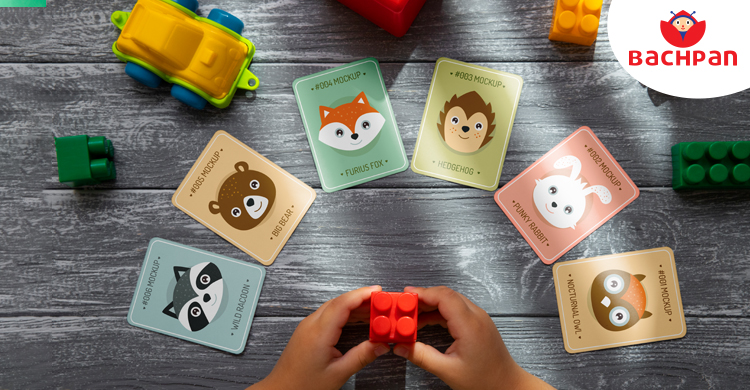
Preschoolers can enjoy these easy and entertaining animal riddles. Children can also learn about animals and their baby names to discover what different animals are called and expand their animal-related vocabulary.
1. I have four legs, a wagging tail, and I bark. I love playing with people. What am I?
Answer: A dog!
2. I say “meow” and like to chase little toys. I have soft fur and whiskers. What am I?
Answer: A cat!
3. I have long ears and a fluffy tail. I love hopping and nibbling carrots. What am I?
Answer: A rabbit!
4. I am very big and have a long trunk. My ears are large, and I love eating plants. What am I?
Answer: An elephant!
5. I have black and white stripes and look a little like a horse. What am I?
Answer: A zebra!
6. I live in water and have fins and a tail. I use gills to breathe. What am I?
Answer: A fish!
7. I have colourful feathers and can copy some sounds people make. What am I?
Answer: A parrot!
8. I am known as the king of the jungle. I have a loud roar and a mane if I am male. What am I?
Answer: A lion!
9. I am a farm animal that gives us wool. I say “baa.” What am I?
Answer: A sheep!
10. I am a tiny insect with colourful wings. I fly from flower to flower. What am I?
Answer: A butterfly!
Tasty Teasers! Fruit and Vegetable Riddles for Little Chefs
These delicious fruit and vegetable riddles for preschoolers are the ideal recipe for enjoyment if they enjoy nibbling, stirring, and acting like the chef of the day!
Once children have guessed the fruits and vegetables, parents can involve them in preparing easy healthy recipes kids can make at home using age-appropriate, supervised tasks.
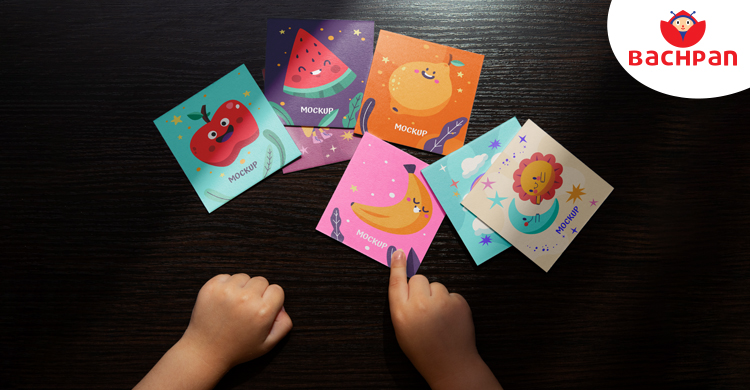
11. I am yellow, long, and easy to peel. Monkeys are often shown eating me. What am I?
Answer: A banana!
12. I am crunchy, usually orange, and grow underground. Rabbits are often shown nibbling on me. What am I?
Answer: A carrot!
13. I am a round fruit that can be red, green, or yellow. You may have heard that eating me is good for you. What am I?
Answer: An apple!
14. I am a large fruit with a green outside and a red inside. I have many black seeds. What am I?
Answer: A watermelon!
15. I am small, round, and often grow in bunches. I can be green, red, or purple. What am I?
Answer: A grape!
16. I am a yellow fruit with a sour taste. People squeeze my juice into drinks. What am I?
Answer: A lemon!
17. I have a spiky green top and a sweet, juicy yellow inside. What am I?
Answer: A pineapple!
18. I am a vegetable with many green layers. People sometimes cry when they cut me. What am I?
Answer: An onion!
19. I am a round, red vegetable often used to make salads and sauces. What am I?
Answer: A tomato!
20. I am a purple vegetable with a smooth, shiny skin. I am often used in curries. What am I?
Answer: An eggplant (brinjal)!
Shapes and Numbers! Learning Through Shape Riddles
Solving puzzles turns learning numbers and shapes into an enjoyable journey! To help children recognise and identify different shapes, parents can also explore these shape names for kids with pictures and examples, making shape learning easier and more engaging.
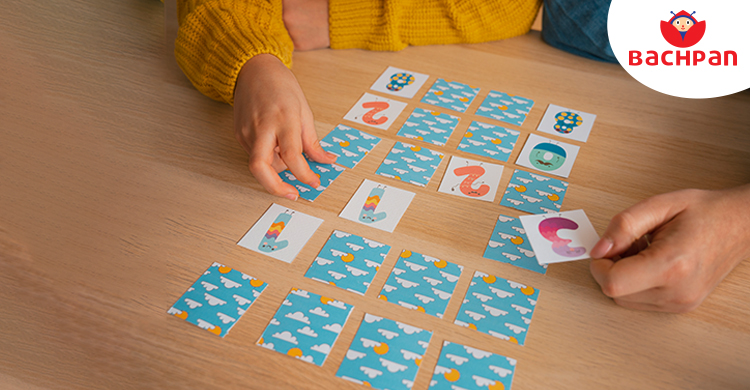
21. I have three straight sides and three corners. What shape am I?
Answer: A triangle!
22. I have four equal sides and four corners. What shape am I?
Answer: A square!
23. I am round and have no corners or straight sides. What shape am I?
Answer: A circle!
24. I have four sides and four corners. Opposite sides are equal, and I often look like a door. What shape am I?
Answer: A rectangle!
25. I look like a diamond and have four equal sides. What shape am I?
Answer: A rhombus!
Children who enjoy number-based puzzles can also discover another interesting way to represent numbers with this guide to Roman numerals for kids.
Color Fun! Guess the Right Color Riddles
Color riddles for preschoolers are a great way to discover the colors that are all around us, from the green grass underfoot to the bright sun in the sky.
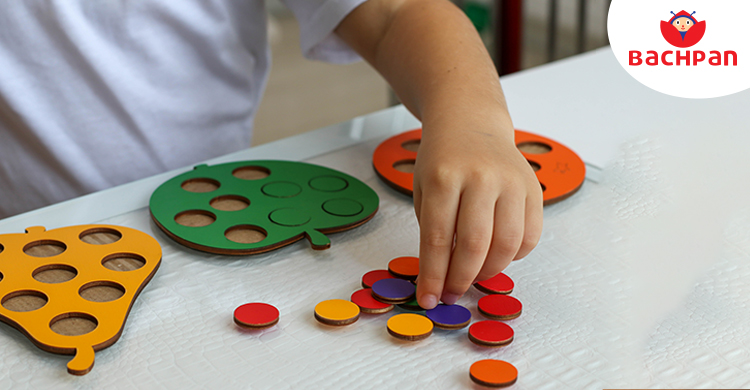
26. I am the colour of grass and many leaves. What colour am I?
Answer: Green!
27. I am the colour of a ripe banana and the bright sun in a child’s drawing. What colour am I?
Answer: Yellow!
28. I am the colour of a ripe tomato and many red apples. What colour am I?
Answer: Red!
29. I am the colour of a clear daytime sky. What colour am I?
Answer: Blue!
30. I am the colour of milk and fresh snow. What colour am I?
Answer: White!
Nature’s Wonders! Outdoor-Themed Riddles for Preschoolers
Nature riddles for kids present an opportunity to learn something new, and nature is full of wonder, mystery, and things just waiting to be found.
Children can learn more about parts of a plant and their functions by observing roots, stems, leaves, and flowers in their surroundings.
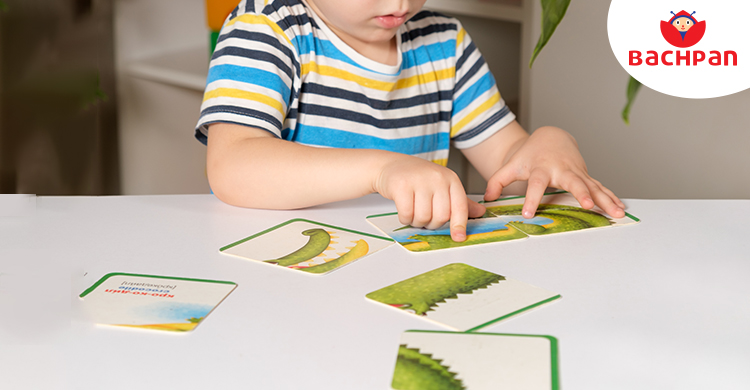
31. I shine in the sky during the day and give Earth light and warmth. What am I?
Answer: The sun!
32. I shine in the night sky and can look like a crescent or a full circle. What am I?
Answer: The moon!
33. I twinkle in the night sky and look like a tiny dot of light. What am I?
Answer: A star!
34. I fall from clouds and help plants grow. You may need an umbrella when I arrive. What am I?
Answer: Rain!
35. I may appear in the sky after rain. I have many colours arranged in a beautiful arc. What am I?
Answer: A rainbow!
36. I grow in the ground and have roots, a stem, leaves, and sometimes flowers. What am I?
Answer: A plant!
37. I am tall and have a trunk, branches, and leaves. Birds may build nests in me. What am I?
Answer: A tree!
38. I am a soft, white or grey shape in the sky. Sometimes I bring rain. What am I?
Answer: A cloud!
Everyday Object Riddles for Preschoolers
39. I have two hands but no arms. I help you know the time. What am I?
Answer: A clock!
40. I have pages and a cover. You can open me to read a story. What am I?
Answer: A book!
41. I have teeth but cannot bite. I help you tidy your hair. What am I?
Answer: A comb!
42. I have four legs and a flat top. You can sit on me or work at me, depending on my design. What am I?
Answer: A table!
43. I have keys but cannot open a door. You press my keys to make music. What am I?
Answer: A piano!
44. I have wheels and pedals. You can ride me along a path. What am I?
Answer: A bicycle!
45. I have bristles and a handle. You use me with toothpaste to clean your teeth. What am I?
Answer: A toothbrush!
46. I keep your feet warm and protected when you go outside. You usually wear a pair of me. What am I?
Answer: A shoe!
47. I have a handle and open above your head to help keep you dry in the rain. What am I?
Answer: An umbrella!
48. I have a screen and buttons or a touch surface. You can use me to make calls. What am I?
Answer: A mobile phone!
49. I carry your books, pencils, and lunch to school. You wear me on your back. What am I?
Answer: A school bag!
50. I have bristles and a handle. You use me to sweep dust from the floor. What am I?
Answer: A broom!
Tips for Engaging Preschoolers with Riddles
Playing riddles with toddlers can be a fun and educational activity, but it’s crucial to consider their developmental stage and attention span. The following are some of the tips to engage preschoolers with riddles.
Parents can combine riddles with other preschool activities they can do at home to make everyday learning more interactive and enjoyable.
Acting out the Answers for More Fun
Riddles for kids with answers are one of the simplest and most fun ways to do it. Because young children are inherently expressive and like communicating with their bodies, transforming a straightforward puzzle into a mini-performance enhances both the learning and enjoyment experience.
Making Riddle Time Interactive
Riddle time should be an engaging activity that encourages involvement, movement, and enthusiasm in order to really grab a preschooler’s attention. It shouldn’t just be about asking and answering questions. Changing riddle time from a quiz to a two-way discussion is an effective way to do this.
Rewarding Kids for Participation
Encouraging children to participate in riddle activities, regardless of whether they correctly answer the question, is a great approach to boost their self-esteem, motivate them to work hard, and make learning fun. Little rewards may make a big difference, and preschoolers thrive on positive reinforcement.
FAQs About What Am I Riddles for Preschoolers
A: Good What Am I riddles for preschoolers use short clues about familiar animals, fruits, shapes, colours, and everyday objects. Simple descriptions help children understand the clues and make a guess.
A: Start with three to five riddles and adjust the number to your child’s interest and attention span. You can add more if the child is enjoying the game.
A: Repeat the clue slowly, explain any unfamiliar words, or offer a visual hint. You can also narrow down the choices by showing two or three objects for your child to choose from.
A: Yes. Teachers can use riddles during circle time, language activities, transitions between tasks, or themed lessons about animals, shapes, fruits, and nature.
A: Yes. An adult can read the clues aloud, and children can respond by speaking, pointing to a picture, or choosing a real object. This makes the activity accessible to early learners.
Conclusion
What am I riddles for preschoolers turn simple guessing games into opportunities to explore words, notice details, and share ideas. From animals and fruits to shapes, colours, and everyday objects, these 50 easy riddles can make learning more playful at home or in the classroom.
Parents and teachers can read the clues aloud, use pictures when needed, and encourage children to explain their guesses. Remember that the aim is to enjoy the activity and explore new ideas together, not to answer every riddle correctly on the first try.
At Bachpan, we believe that young children learn through joyful, engaging experiences. Try these riddles during playtime or circle time and let curiosity lead the way. Watch this: https://www.instagram.com/reel/DJMVo06ISgo/