



National Symbols of India for Children: Names, Pictures & Interesting Facts
India is a land of rich culture, diverse traditions, and timeless values. One of the best ways to help children connect with this heritage is to introduce them to India’s national symbols. From the national flag of India to the Royal Bengal Tiger, each symbol reflects our nation’s identity and pride. In this guide, children will discover the national symbols of India with names, their meanings, and fascinating facts that make learning enjoyable and memorable.
National Symbols Chart of India for Children
Before learning about each national symbol in detail, explore this national symbols of India list and national symbols chart.
| National Symbol | Official Symbol | Represents |
|---|---|---|
| National Flag | Tiranga | Unity and freedom |
| National Emblem | Lion Capital of Ashoka | Strength and courage |
| National Anthem | Jana Gana Mana | National unity |
| National Song | Vande Mataram | Love for the motherland |
| National Animal | Royal Bengal Tiger | Strength and bravery |
| National Bird | Indian Peacock | Beauty and grace |
| National Flower | Lotus | Purity |
| National Tree | Banyan Tree | Longevity and wisdom |
| National Fruit | Mango | Prosperity |
| National River | Ganga | Life and culture |
| National Aquatic Animal | Ganges River Dolphin | Biodiversity |
| National Heritage Animal | Indian Elephant | Rich heritage |
| National Reptile | King Cobra | Ecological importance |
| National Calendar | Saka Calendar | Official calendar |
| National Currency Symbol | ₹ (Indian Rupee) | Indian economy |
This national symbols chart helps children revise the national symbols of India with names while making learning simple and enjoyable.
What Are National Symbols of India?
Every nation has unique symbols that reflect its history, culture, achievements, and values. India proudly celebrates these symbols because they remind us of our shared identity despite our many languages, traditions, and cultures.
Understanding national symbols of India for children helps young learners appreciate the country they call home. Exploring these Indian national symbols for students helps bridge classroom lessons with real-world pride.
Meaning of National Symbols
National symbols are official signs, objects, animals, songs, or emblems chosen to represent a country’s identity. Each symbol carries a special meaning and reflects qualities that the nation values, such as courage, unity, peace, or wisdom. These symbols help people feel connected to their country’s history and traditions.
Why Every Country Has National Symbols
National symbols bring people together by creating a sense of pride and belonging. They represent the country’s achievements, culture, and shared values. Whether it is a flag waving proudly or a national anthem played during important events, these symbols remind every citizen that they are part of one nation.
Why Children Should Learn National Symbols
Learning about these Indian national symbols for students also strengthens classroom learning and helps children perform better in school activities and quizzes. It also encourages respect for the country, improves general knowledge, and develops patriotism from an early age. As children discover the stories behind each symbol, they begin to appreciate what makes India truly unique.
Learning about national symbols becomes even more meaningful when children discover the people who helped shape India’s history and identity. Explore these great national leaders of India to introduce children to their inspiring contributions and values.
National Symbols of India for Children
Now that we know why national symbols are important, let’s explore each one and discover what makes it special. Every symbol has its own story, making it easier for children to remember while enjoying the learning journey.
National Flag of India – Tiranga
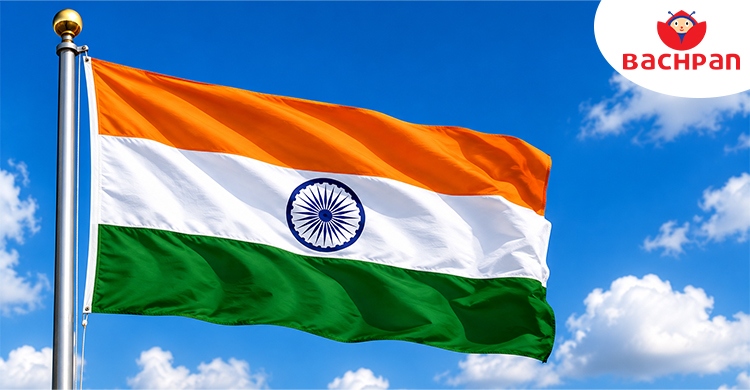
The national flag of India, lovingly called the Tiranga, is one of the country’s most respected symbols. It has three horizontal colours—saffron, white, and green—with the navy-blue Ashoka Chakra at the centre. Saffron stands for courage and sacrifice, white represents peace and truth, while green symbolises growth and prosperity. The Ashoka Chakra has 24 spokes, reminding us to keep moving forward with honesty and determination. Every Independence Day and Republic Day, the Tiranga fills every Indian heart with pride.
Children can also connect with the Tiranga through music and school celebrations. Explore these best patriotic songs for kids for Independence Day celebrations to make patriotic learning more engaging.
National Emblem of India- Lion Capital of Ashoka
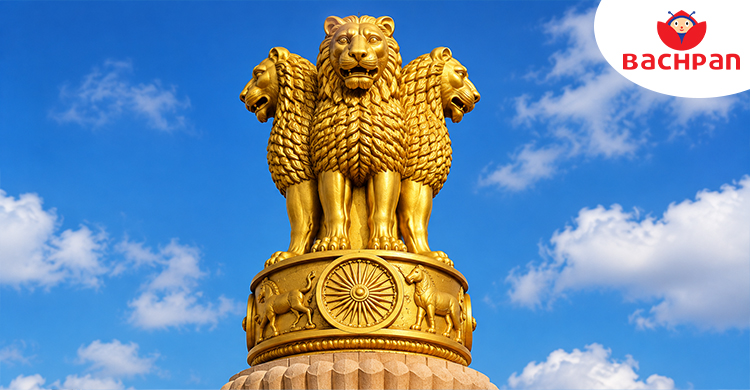
The national emblem of India is adapted from the Lion Capital of Ashoka at Sarnath. It features four majestic lions standing back-to-back, though only three are visible in the emblem. Below the lions is the national motto, “Satyameva Jayate,” which means “Truth Alone Triumphs.” The emblem represents courage, strength, confidence, and justice. It can be seen on Indian currency, passports, official government documents, and court buildings across the country.
National Anthem of India – Jana Gana Mana
Composed originally in Bengali by the legendary poet Rabindranath Tagore, “Jana Gana Mana” is the national anthem of India. It celebrates the country’s diverse geography, culture, and unity. The official rendition takes about 52 seconds to sing, during which everyone stands at attention to show respect. Listening to this soulful tune inspires feelings of deep patriotism in children across schools every single morning.
National Song of India – Vande Mataram
Written by Bankim Chandra Chatterjee in his famous novel Anandamath, “Vande Mataram” is the national song of India. Meaning “I bow to thee, Motherland,” this patriotic hymn played a crucial role during India’s independence movement, inspiring thousands of freedom fighters. Although different from the national anthem, the national song holds immense historical importance in India’s freedom movement. It evokes deep affection, gratitude, and devotion toward the motherland. Singing it fills hearts with immense pride and warm joy.
National Animal of India – Royal Bengal Tiger
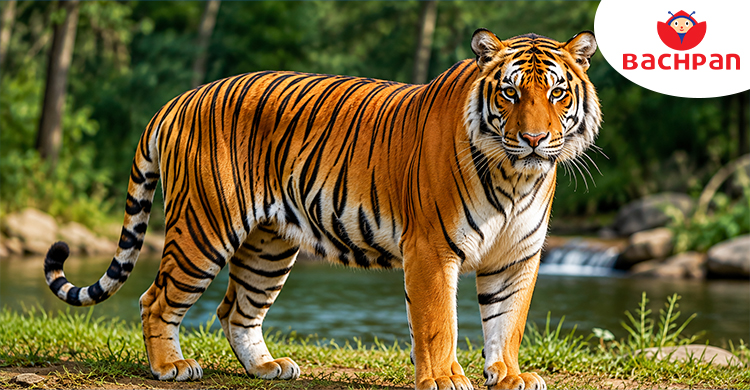
The Royal Bengal Tiger is the magnificent national animal of India. It reflects courage, confidence, and India’s incredible wildlife heritage. Chosen in 1973 to replace the lion, this majestic wild cat represents the country’s rich wildlife heritage and ecological strength. With its striking yellow coat and black stripes, the tiger is protected under “Project Tiger” to safeguard its population.
National Bird of India – Indian Peacock
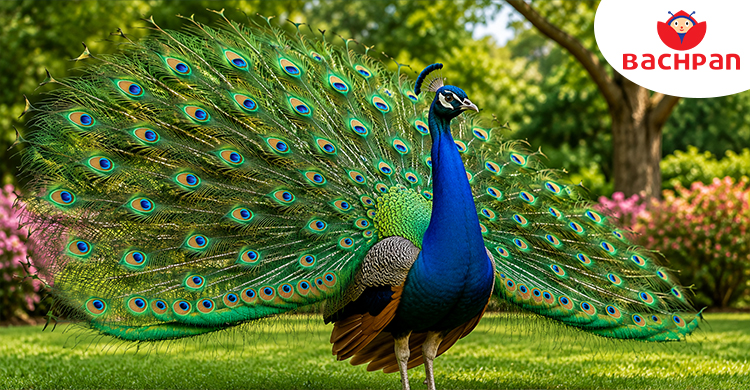
The Indian Peacock is the national bird of India, admired for its vibrant feathers and graceful dance during the monsoon. Known for its mesmerizing blue-green plumage and spectacular fan-like tail dance during the rainy season, the peacock holds a special place in Indian mythology and art. Declared the national bird in 1963, it represents joy, colorful heritage, and natural elegance across every corner of our diverse land.
National Flower of India – Lotus
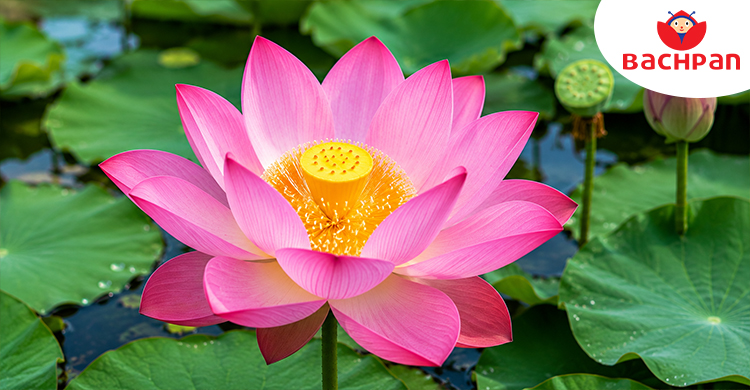
Have you ever noticed how a lotus blooms beautifully even in muddy water? The sacred Lotus is the national flower of India, holding deep spiritual and cultural value. Despite growing in muddy waters, the lotus blooms into a clean, breathtaking blossom, symbolizing purity, wisdom, resilience, and triumph over adversity. In Indian philosophy, it teaches children an essential life lesson: staying positive, humble, and beautiful no matter how challenging the surrounding conditions might be in their personal journey.
National Tree of India – Banyan Tree
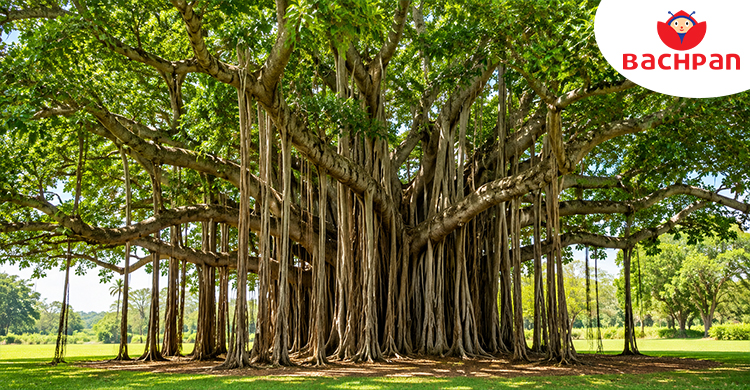
The majestic Banyan Tree (Ficus benghalensis) is the national tree of India. Known for its vast canopy and deep aerial prop roots that grow downward to form secondary trunks, it symbolizes longevity, strength, and immortality. Historically, village gatherings and story sessions took place under its refreshing shade. It represents how India provides protection, wisdom, shelter, and care to all its diverse communities.
National Fruit of India – Mango
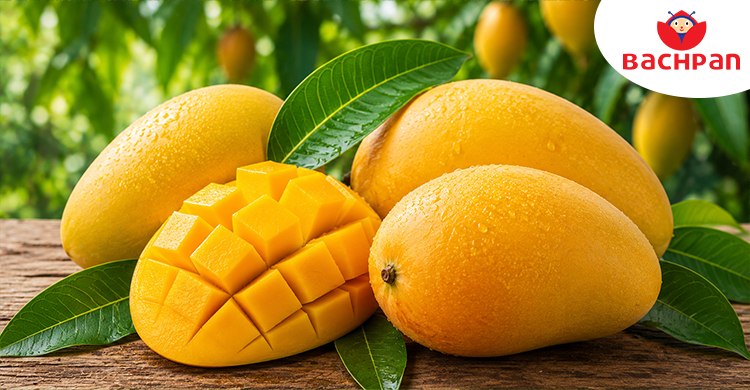
Loved by kids and adults alike, the delicious Mango is the national fruit of India. Known as the “King of Fruits,” mangoes represent prosperity, warmth, and abundance. India is home to over a hundred varieties of mangoes, including Alphonso, Dasheri, and Langra. Its rich taste, vibrant yellow color, and summer nostalgia make it a sweet symbol of joy, family togetherness, and tropical sweetness.
National River of India – Ganga

The holy River Ganga is the national river of India, celebrated as the longest and most revered river in the country. Flowing from the Himalayas down to the Bay of Bengal, the Ganga sustains millions of lives, farmland, and ecosystems. It represents spiritual purity, life, and cultural heritage, holding an essential place in Indian traditions, folklore, and everyday agricultural livelihoods.
National Aquatic Animal of India – Ganges River Dolphin

The freshwater Ganges River Dolphin is the national aquatic animal of India, serving as a vital indicator of river health and biodiversity. Naturally blind, these unique aquatic creatures navigate and hunt using echolocation in the murky waters of the Ganga and Brahmaputra rivers. Protecting this endangered species highlights the importance of keeping our rivers clean, clear, and eco-friendly for future generations to enjoy.
National Heritage Animal of India – Indian Elephant

The Indian Elephant was proudly declared the National Heritage Animal of India in 2010 to promote wildlife protection and celebrate human-animal harmony. Deeply woven into Indian culture, history, and royal legends, these gentle and highly intelligent giants symbolize power, wisdom, and heritage. Protecting elephant habitats and forest corridors ensures that these magnificent creatures continue roaming safely, inspiring future generations of young animal lovers across the country to cherish our rich biodiversity and heritage.
National Reptile of India – King Cobra
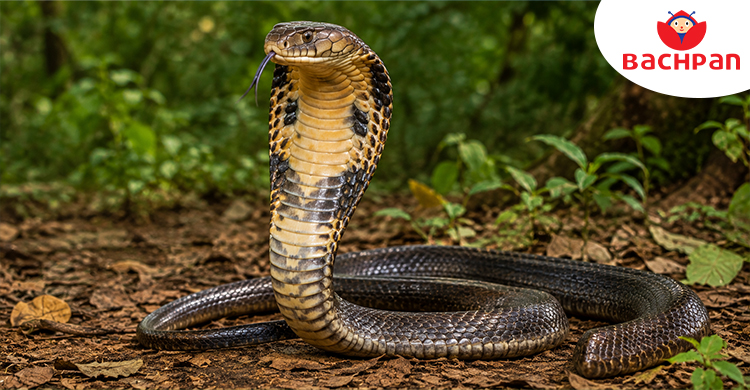
The King Cobra holds the distinct title of being the National Reptile of India, recognized worldwide as the longest venomous snake species. Found in dense rainforests and bamboo groves, it plays an essential role in keeping forest ecosystems balanced by preying on other snakes. Revered in Indian mythology and folklore, the King Cobra represents ecological harmony and forest protection. It makes kids appreciate nature’s delicate environmental balance.
National Calendar of India – Saka Calendar
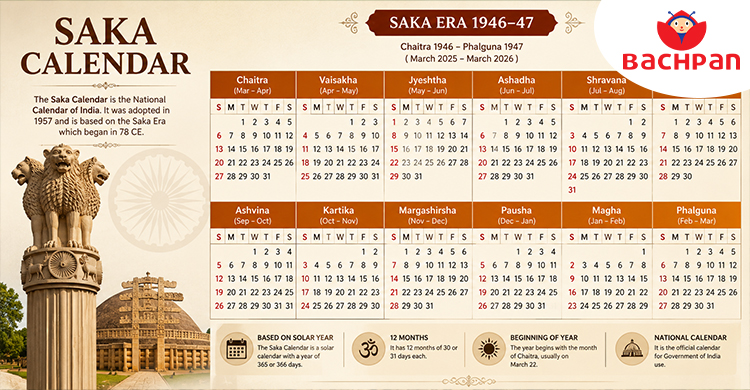
The Saka Calendar is the official National Calendar of India, adopted in 1957 alongside the standard Gregorian calendar. Based on the historic Saka Era starting in 78 CE, its first month is Chaitra, which corresponds with March 22nd during normal years. Used by government bodies for official notifications, news broadcasts, and gazettes, it highlights India’s ancient astronomical wisdom and rich cultural heritage in keeping time accurately for the nation through the ages.
National Currency Symbol of India – Indian Rupee (₹)
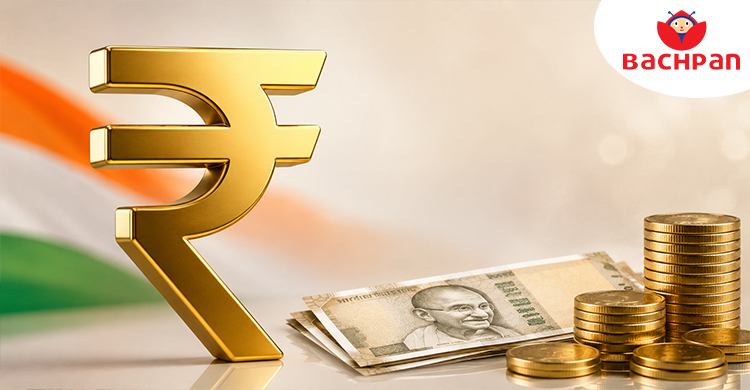
The Indian Rupee symbol (₹) is the official National Currency Symbol of India, created by D. Udaya Kumar and adopted in 2010. The symbol combines the Devanagari letter “र” and the English letter “R”, making it unique and easy to recognize. This distinctive symbol showcases India’s growing economic strength, modern identity, and global presence, helping young learners easily recognize Indian money in everyday financial transactions and fun classroom learning sessions.
Interesting Facts About India’s National Symbols
Learning trivia makes history come alive! Here are some interesting facts about national symbols of India to spark curiosity and help kids learn national symbols of India easily with joy.
Did You Know the Tiger Replaced the Lion?
Until 1972, the Asiatic Lion was actually the national animal of India. The Royal Bengal Tiger replaced it in 1973 under ‘Project Tiger’ due to its presence across multiple states and urgent conservation needs, making it a stronger symbol of national wildlife protection and strength.
Why Does the National Flag Have Three Colours?
The three bands of the national flag of India represent core values. Saffron stands for courage and sacrifice, white for peace and truth, and green for faith and prosperity. The central navy-blue wheel, the Ashoka Chakra, represents constant progress and movement in our nation’s journey forward.
These values can also be introduced to children through inspiring stories and everyday examples. Parents can explore these best short moral stories for kids to help children understand positive values in an engaging way.
Which National Symbol Is the Oldest?
The Lion Capital of Ashoka, our National Emblem, is among the oldest symbols, dating back to around 250 BCE. Carved during Emperor Ashoka’s reign, it has represented strength, courage, peace, and moral rule for over two millennia, showcasing the ancient history of our great motherland to young minds.
Which National Symbol Represents Peace?
The white band in our tricolour flag and the sacred Lotus flower both represent peace, purity, and spiritual harmony. Learning national symbols for kids helps children understand these values while encouraging them to be calm, kind, humble, and positive in their daily lives.
Fun Activities to Help Children Learn National Symbols
Learning doesn’t have to be limited to textbooks. These national symbols for kids activities, along with a printable national symbols chart, help children revise every symbol through games, colouring, and creative learning. These fun activities help children learn national symbols of India easily while enjoying every moment.
These activities can also be combined with patriotic celebrations at school. Teachers and parents can explore these Republic Day activities for kindergarten kids for more fun and educational ways to introduce children to India’s national identity.
National Symbols Matching Game
Create colorful flashcards with pictures on one side and official names on the other. Ask children to match the Royal Bengal Tiger to ‘National Animal’ or Lotus to ‘National Flower’. This interactive activity helps children remember the national flower of India, national animal of India, and other important symbols while strengthening memory through play.
Colour the National Flag
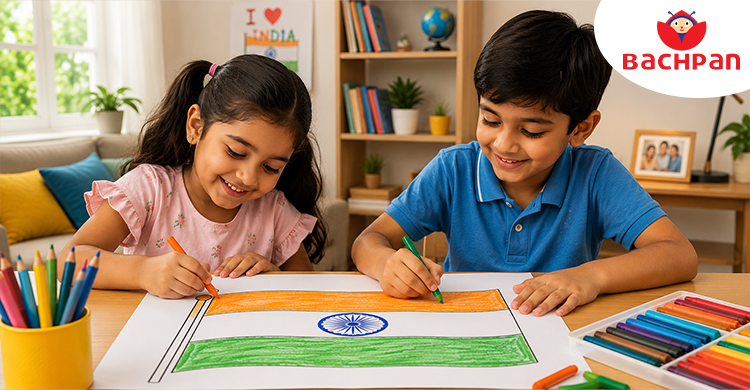
Hand out blank outline drawings of our tricolour flag and guide kids to shade saffron on top, white in the middle, and green at the bottom. Teach them to fill the 24-spoke Ashoka Chakra in navy blue, reinforcing the structure and true significance of the national flag of India delightfully.
Picture Identification Quiz
Show pictures of the national bird of India, national tree of India, or Ganges River Dolphin and let children identify each one correctly. This is one of the easiest ways to learn national symbols of India with pictures. Rewarding correct answers with star stickers or cheerful applause builds genuine enthusiasm, confidence, and quick recall.
Draw Your Favourite National Symbol
Give children paper and crayons, letting them draw their favorite symbol—whether it is a sweet mango, colorful peacock, or majestic tiger. Encourage them to explain why they chose it, beautifully blending creative artistic expression with early civic learning for Indian national symbols for students in primary school classrooms.
Common Mistakes Children Make While Learning National Symbols
When young learners explore new concepts, minor confusions naturally arise. Identifying these common slip-ups helps parents and teachers guide children towards accurate understanding, clear concepts, and lasting national pride effortlessly.
Confusing the National Anthem and National Song
Children often mix up Jana Gana Mana and Vande Mataram. Gently clarify that Jana Gana Mana is our official National Anthem sung during morning school assemblies, while Vande Mataram is our National Song that inspired brave freedom fighters across the country during India’s heroic struggle for independence and national freedom.
Mixing Up the National Animal and Heritage Animal
Kids frequently swap the Tiger and Elephant. Remind them that the Royal Bengal Tiger is our national animal representing wild strength and nature conservation, whereas the gentle Indian Elephant is our National Heritage Animal, highlighting our rich cultural traditions, ancient historical folklore, and deep reverence for majestic forest wildlife.
Forgetting the Meaning Behind Each Symbol
Children often memorize names without understanding their deeper symbolism. Explaining why the sacred Lotus blooms cleanly in muddy waters or why the Banyan tree symbolizes eternal wisdom transforms dry facts into vivid, relatable stories that stay deeply embedded in young minds for years to come without boring, repetitive memorization.
Learning Names Without Understanding Their Importance
Rote learning leads to quick forgetting. Instead of just listing names, share inspiring stories, interactive quizzes, and videos. Helping kids appreciate the pride, unity, and heritage behind each official icon ensures that national symbols of India explained for kids create genuine national respect rather than simple, stress-filled school exam preparation.
Interactive learning can make facts about national symbols easier for children to understand and remember. Parents can try these best learning activities for preschoolers at home to turn everyday learning into fun experiences.
FAQs on National Symbols of India for Children
National symbols of India are official emblems, animals, plants, and icons chosen to represent the nation’s rich culture, history, and core values. Examples include the Tiranga (National Flag), Royal Bengal Tiger (National Animal), and Lotus (National Flower).
National symbols unite citizens across diverse backgrounds, instill patriotism, and help children understand India’s rich heritage, ethical values, and unique identity from an early age.
India officially recognizes 15 national symbols representing various aspects of its culture, wildlife, history, and governance, including the flag, anthem, emblem, animal, bird, tree, fruit, and currency symbol.
The Royal Bengal Tiger is the National Animal of India, chosen for its grace, strength, and agility, as well as to highlight wildlife conservation under “Project Tiger.”
The National Anthem (Jana Gana Mana) was composed by Rabindranath Tagore and celebrates national unity and geography. The National Song (Vande Mataram) was composed by Bankim Chandra Chatterjee and served as a historical anthem of devotion during the freedom movement.
Conclusion – Learning India’s National Symbols with Pride
Exploring the national symbols of India for children is a meaningful way to help young minds connect with India’s rich heritage and values. As children learn the national symbols of India with names, including the national flag of India, the national animal of India, and the national flower of India, this develops pride, respect, and a sense of belonging. With the help of a national symbols chart and engaging activities, parents and teachers can make learning enjoyable while inspiring children to become responsible and proud citizens of tomorrow.