



How to Create a Daily Routine for Playschool Kids
Creating a daily routine for playschool kids helps them feel secure, active, and emotionally balanced throughout the day. Young children thrive when they know what comes next, whether it is learning, playing, eating, or sleeping. A proper routine for preschoolers also supports healthy habits, better behaviour, and improved focus. Parents often struggle to manage activities at home, but with a simple, flexible routine, children can enjoy a joyful, productive day while developing important life skills from an early age.
Why a Daily Routine is Important for Playschool Kids?
A well-planned kids’ daily schedule at home gives children structure, stability, and confidence. It helps them manage emotions better, follow healthy habits, and enjoy learning activities with enthusiasm every single day naturally.
Builds Discipline and Good Habits
Following a regular daily routine for playschool kids teaches children discipline simply and positively. Fixed timings for meals, play, sleep, and learning help preschoolers understand responsibility. Over time, they naturally develop healthy habits like cleaning up toys, brushing teeth properly, and completing small daily tasks independently.
Following a consistent routine also helps children develop positive everyday behaviours. Parents can encourage these lifelong habits by exploring our guide on 10 good habits for kids.
Supports Emotional and Social Development
A consistent, structured routine for toddlers makes children feel emotionally safe and comfortable. Predictable activities reduce stress and tantrums because kids know what to expect during the day. Routine-based group play, storytelling, and family interaction also improve communication skills, patience, sharing habits, and emotional understanding among preschool children effectively.
Improves Learning and Focus
Children learn better when activities follow a proper structure. A balanced routine for preschoolers includes dedicated time for reading, creative play, and exploration. Regular learning sessions improve concentration and memory while reducing distractions. Kids become more interested in classroom-style activities because their minds gradually adapt to organised and enjoyable learning patterns.
What Should a Daily Routine for Playschool Kids Include?
A complete preschool daily routine chart should include healthy activities that balance learning, play, meals, rest, and family interaction. Each activity should support the child’s physical, emotional, social, and mental development daily.
Morning Routine Essentials
A healthy morning routine sets a positive tone for the entire day. Children should wake up at a fixed time, freshen up, eat a nutritious breakfast, and prepare for learning activities calmly. Simple habits like making the bed or watering plants can also encourage independence and responsibility among preschool children daily.
Learning and Play Time Balance
Young children need both education and recreation for healthy development. A balanced kids’ daily schedule at home should include storytelling, puzzles, colouring, music, outdoor games, and free play. Learning through fun activities keeps preschoolers engaged while improving creativity, thinking skills, and emotional expression without making the day feel overly structured.
Including engaging educational activities in your child’s schedule keeps learning enjoyable. Explore these best learning activities for preschoolers at home to make daily routines more interactive and meaningful.
Meal and Snack Time
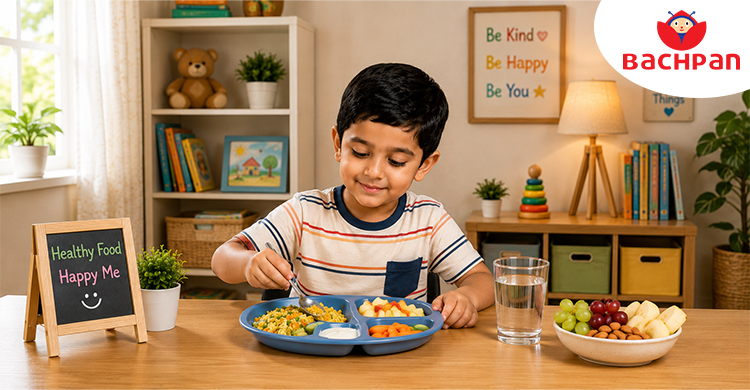
Meal timings should remain consistent every day because proper nutrition supports growth and energy levels. Healthy snacks, fruits, milk, and balanced meals help preschoolers stay active and attentive. Parents can also use meal time for bonding by encouraging children to eat independently and practice simple table manners during family meals.
Nutritious meals and healthy snacks keep preschoolers energetic throughout the day. Parents can also try these easy healthy recipes kids can cook at home to make mealtimes both fun and nourishing.
Nap and Rest Time
Rest is extremely important for growing children because it helps the body and brain recover. Afternoon naps improve mood, concentration, and emotional balance in preschoolers. A peaceful nap environment with soft lighting and calming activities before sleep can help children relax easily and maintain healthy sleep habits every single day naturally.
Evening Wind-Down Routine
Evening routines should help children feel calm and relaxed before bedtime. Activities like family conversations, light play, storytelling, or listening to soothing music create emotional comfort. Avoiding excessive screen time before sleep also improves bedtime behaviour. Consistent sleep preparation helps preschoolers sleep peacefully and wake up refreshed the next morning.
Simple Daily Routine for Playschool Kids at Home
Parents often wonder how to create a daily routine that feels balanced and manageable. A simple schedule with fixed timings for activities helps preschoolers stay active, happy, emotionally secure, and organised throughout the day.
Here is a simple daily routine for playschool kids that parents can follow at home:
| 🕒 Time | 📌 Activity | 💡 What Kids Do / Purpose |
|---|---|---|
| 7:00 – 8:00 AM | 🌅 Wake Up & Freshen Up | Brush teeth, wash face, get ready for the day |
| 8:00 – 8:30 AM | 🍳 Breakfast Time | Healthy meal to start the day with energy |
| 8:30 – 9:30 AM | 📚 Learning Time | Alphabet, numbers, reading, and simple worksheets |
| 9:30 – 10:00 AM | 🎨 Creative Play | Drawing, colouring, art & craft activities |
| 10:00 – 10:30 AM | 🍎 Snack Break | Light snacks and hydration |
| 10:30 – 11:30 AM | 🌳 Outdoor Play | Physical activity, running, and games |
| 11:30 – 12:30 PM | 🧩 Free Play / Indoor Games | Toys, puzzles, building blocks |
| 12:30 – 1:00 PM | 🍛 Lunch Time | Balanced and nutritious meal |
| 1:00 – 3:00 PM | 😴 Nap / Rest Time | Essential rest for growth and energy |
| 3:00 – 3:30 PM | 🥛 Evening Snack | Milk, fruits, or healthy snacks |
| 3:30 – 4:30 PM | 🎲 Fun Learning Activities | Storytelling, memory games, and educational play |
| 4:30 – 5:30 PM | 🚴 Outdoor / Physical Play | Cycling, park time, active games |
| 5:30 – 6:30 PM | 👨👩👧 Family Time | Talk, play, and bonding with family |
| 6:30 – 7:30 PM | 🍽️ Dinner Time | Light and healthy dinner |
| 7:30 – 8:30 PM | 📖 Calm Down Routine | Storytime, quiet play, bedtime preparation |
| 8:30 – 9:00 PM | 🌙 Sleep Time | Consistent bedtime for a proper sleep cycle |
Morning Schedule (Wake Up to Breakfast)
Children can wake up around 7 AM, brush their teeth, freshen up, and enjoy a healthy breakfast with family members. After breakfast, simple physical activities like stretching, dancing, or outdoor walks can boost energy levels. Calm and cheerful mornings help preschoolers begin the day positively while developing healthy lifestyle habits naturally.
Midday Schedule (Learning + Play)
Midday activities can include storytelling, drawing, counting games, alphabet practice, and creative learning sessions. After focused activities, children should have free play or outdoor games for physical movement and social interaction. This balance between education and fun keeps preschoolers interested, active, and emotionally happy throughout the learning process every day.
Afternoon Routine (Nap + Quiet Time)
After lunch, children should have quiet relaxation time followed by an afternoon nap. Rest activities may include listening to calming stories or soft music before sleeping. Adequate rest supports emotional regulation and healthy brain development. A peaceful afternoon routine also prevents irritability and helps children regain energy for evening activities later.
Evening Routine (Family + Sleep Prep)
Evenings can include family conversations, light indoor games, dinner, and bedtime preparation. Parents may encourage children to organise toys, brush teeth, and listen to bedtime stories before sleeping. Maintaining fixed bedtime schedules improves sleep quality and emotional comfort. Positive evening interactions also strengthen parent-child bonding and create happy childhood memories naturally.
Healthy drinks are another great way to keep children refreshed and hydrated. Explore these healthy smoothie recipes kids love to drink for delicious beverage ideas that fit perfectly into a daily routine.
How to Create a Daily Routine for Playschool Kids (Step-by-Step)?
Parents searching for how to set a routine for kids should focus on consistency, flexibility, and age-appropriate activities. Simple schedules work best because preschoolers respond positively to routines that feel comfortable, engaging, and achievable daily.
Understand Your Child’s Needs
Every child has different energy levels, interests, and sleeping patterns. Parents should observe their child’s behaviour before creating routines. Some children enjoy active mornings, while others prefer quieter activities. Understanding these personal needs helps parents design routines that support healthy emotional development while keeping preschoolers comfortable, happy, and emotionally secure daily.
Set Fixed Wake-Up and Sleep Times
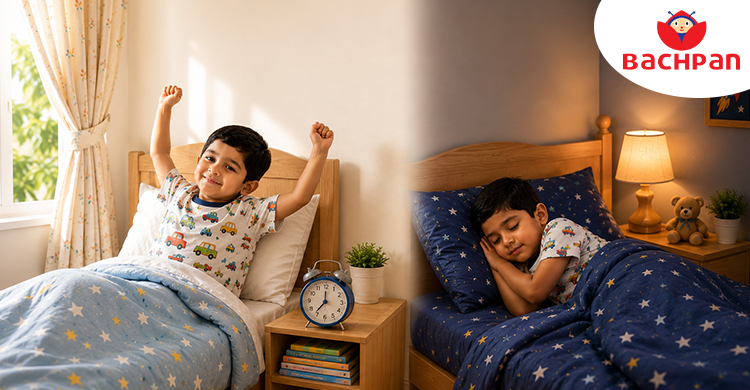
Consistent sleep schedules improve physical health, mood, and concentration in preschool children. Fixed wake-up and bedtime routines help children feel refreshed and emotionally balanced throughout the day. Proper sleep also supports healthy growth and learning abilities. Predictable timings create stability, making children more cooperative and comfortable with everyday activities naturally.
Balance Study, Play, and Rest
A proper Routine for Preschoolers should never focus only on academics. Preschool children need active play, relaxation, creative activities, and learning opportunities equally. Balanced schedules prevent stress and boredom while supporting emotional and physical development. Combining fun and educational experiences keeps children motivated, curious, energetic, and happy throughout the day naturally.
Along with a balanced routine, parents can continue learning at home through these preschool activities parents can do at home, helping children build confidence and essential life skills.
Keep the Routine Flexible
While routines should remain structured, flexibility is equally important for preschoolers. Unexpected situations, mood changes, or family activities may require adjustments in daily schedules. Parents should avoid forcing strict routines during difficult moments. Flexible planning helps children adapt better while maintaining emotional comfort, reducing frustration, and creating a healthier home environment naturally.
Involve Your Child in Planning
Children feel more excited about routines when they participate in planning activities. Parents can ask preschoolers to choose storybooks, snacks, games, or creative tasks for certain parts of the day. This involvement increases confidence, independence, and responsibility while making routines more enjoyable. Children also become more cooperative when they feel included daily.
Tips to Make Daily Routine Easy and Fun for Kids
Creating enjoyable routines encourages children to follow schedules happily without resistance. Fun activities, positive encouragement, and creative planning can make a structured routine for toddlers feel exciting, comfortable, and rewarding for preschool children every day.
Use Visual Routine Charts
Colourful charts with pictures and symbols help preschoolers understand schedules easily. A preschool daily routine chart makes activities visually interesting while improving memory and independence. Children can follow routines confidently by checking completed tasks throughout the day. Visual reminders also reduce confusion and encourage responsibility among young children naturally and effectively.
Turn Tasks into Fun Activities
Simple tasks become more exciting when combined with music, storytelling, or games. Parents can create playful cleaning challenges, singing routines during brushing time, or fun counting games during meals. Turning responsibilities into enjoyable experiences keeps preschoolers motivated and cooperative while reducing resistance toward daily activities and structured routines at home naturally.
Storytelling is another enjoyable way to make daily routines exciting while improving language and imagination. Explore these best Disney stories for kids to make storytime even more engaging.
Reward Consistency Positively
Positive encouragement helps children stay motivated to follow routines regularly. Small rewards like appreciation, stickers, hugs, or extra story time can build confidence and excitement. Rewards should focus on effort and consistency instead of perfection. Encouraging preschoolers kindly creates emotional security while helping them develop long-lasting healthy habits and self-discipline naturally.
Positive reinforcement becomes even more meaningful when children learn kindness, honesty, and responsibility through stories. Read these best short moral stories for kids to encourage good values alongside healthy routines.
Be Patient and Consistent
Children need time to adjust to new schedules and habits. Parents should remain calm and supportive during this learning process instead of expecting immediate perfection. Consistency helps routines become familiar and comfortable over time. Patient guidance allows preschoolers to feel emotionally safe while gradually adapting to healthy and organised daily routines naturally.
Common Mistakes Parents Should Avoid
While creating routines, parents sometimes unknowingly make mistakes that create stress for children. Understanding these challenges can help families maintain a balanced and healthy daily routine for playschool kids more effectively every single day.
Overloading the Schedule
Too many activities can make preschoolers feel tired, stressed, and overwhelmed. Parents should avoid filling every hour with learning sessions or structured tasks. Young children need free play, rest, and relaxation for emotional balance. Simple and manageable routines work better because they allow preschoolers to enjoy activities without unnecessary pressure daily.
Being Too Strict
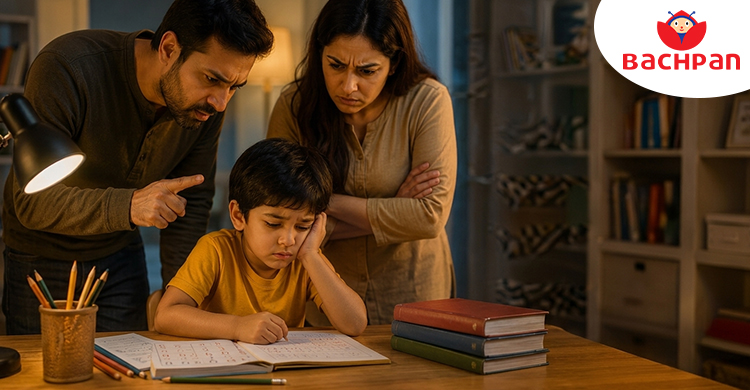
Overly strict routines may create frustration and resistance in children. Preschoolers need gentle guidance instead of constant pressure to follow schedules perfectly. Parents should allow flexibility for emotional needs, mood changes, or unexpected situations. Balanced routines encourage cooperation naturally, while strict rules can negatively affect emotional comfort and parent-child relationships over time.
Ignoring Child’s Mood and Energy
Children may not always feel energetic or emotionally ready for certain activities. Ignoring their moods can lead to tantrums, stress, or disinterest in routines. Parents should observe signs of tiredness, excitement, or frustration carefully. Adjusting activities according to the child’s emotional and physical needs creates healthier and more supportive daily experiences naturally.
Inconsistent Routine
Changing schedules frequently can confuse preschoolers and disrupt healthy habits. Irregular meal times, sleep timings, or learning sessions make children feel emotionally unsettled. Consistency helps children understand expectations and feel secure throughout the day. Maintaining stable routines regularly improves discipline, emotional balance, and overall cooperation in young children naturally over time.
How to Adjust Daily Routine for Weekends and Holidays?
Weekends and holidays should feel enjoyable without completely disrupting healthy routines. Small adjustments can help children relax, spend quality family time, and continue following positive habits comfortably during breaks and celebrations.
Keep Basic Routine Consistent
Even during holidays, basic routines like meal timings and sleep schedules should remain consistent. Sudden changes in sleeping habits can affect mood, energy, and behaviour negatively. Maintaining familiar routines provides emotional comfort while helping children transition back to regular schedules easily after weekends, vacations, or festive celebrations with minimal stress naturally.
Add Family and Fun Activities
Weekends are perfect for bonding activities that create happy childhood memories. Families can enjoy storytelling, picnics, gardening, art projects, or outdoor games together. These enjoyable experiences strengthen emotional connections while keeping preschoolers socially active and engaged. Adding fun activities to routines also prevents boredom and supports balanced emotional development naturally every weekend.
Limit Screen Time
Children often spend extra time on screens during holidays, which can affect sleep, mood, and concentration. Parents should encourage physical activities, reading, creative play, or family interaction instead of excessive screen exposure. Healthy limits help preschoolers maintain balanced routines while supporting emotional well-being, better focus, and healthy social development throughout childhood naturally.
Daily Routine for Playschool Kids vs No Routine
Children develop healthier habits and emotional stability when they follow organised schedules. Comparing structured and unstructured lifestyles helps parents understand why routines are important for preschoolers during their early developmental years naturally and effectively.
Benefits of a Structured Routine
A proper daily routine for playschool kids improves discipline, emotional comfort, learning ability, sleep quality, and healthy habits. Structured schedules also reduce stress because children know what to expect throughout the day. Predictable activities create confidence and independence while helping preschoolers manage transitions between play, meals, learning, and rest smoothly daily.
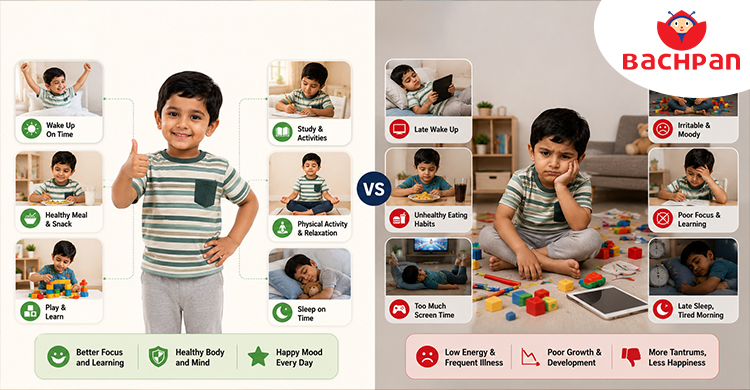
Challenges Without a Routine
Without routines, children may experience irregular sleep patterns, emotional outbursts, unhealthy eating habits, and difficulty concentrating. Lack of structure can create confusion and stress because preschoolers struggle to understand expectations. Unorganised schedules may also increase screen time, reduce productivity, and negatively affect overall emotional, social, and physical development during early childhood.
FAQs About Daily Routine for Playschool Kids
An ideal routine includes fixed timings for waking up, meals, learning, play, rest, and sleep. Balanced schedules help preschoolers feel emotionally secure, active, and organised throughout the day naturally.
Start with simple schedules based on your child’s age, sleep habits, and energy levels. Keep routines consistent, flexible, and enjoyable while balancing learning, play, meals, and relaxation activities daily.
No, routines should provide structure without becoming stressful. Flexible routines work better because they allow children to adjust comfortably while maintaining emotional well-being and healthy daily habits naturally.
Preschool children generally need around 10–13 hours of sleep, including naps. Proper sleep supports healthy growth, emotional balance, concentration, and overall physical and mental development effectively.
Conclusion: Building Healthy Habits with a Daily Routine
A well-planned daily routine for playschool kids creates a strong foundation for healthy habits, emotional security, and joyful learning experiences. Consistent routines help preschoolers feel confident, organised, and independent while improving focus, behaviour, and overall development. Parents do not need perfect schedules to support their children effectively. Simple, balanced, and flexible routines work best when created with patience, understanding, and love. By following healthy daily habits consistently, families can create a positive environment where preschool children grow happily, actively, and confidently every single day.