



How to Be a Good Parent: Qualities Every Parent Should Know

“How to be a good parent”— it sounds simple, doesn’t it? But then your little one asks question after question, and suddenly you realise it is a full-time adventure!
Consider yourself their mentor and motivator, encouraging them to explore, make mistakes, and celebrate each small victory.
You may be surprised to learn how much they can learn from your words, your listening style, and even your smiles!
Together, let’s discover the simple qualities that can foster happy, confident, and curious little learners every single day.
What Does Being a Good Parent Really Mean?
What makes a good parent is showing up for your child, day in and day out. It means encouraging them when they succeed, offering gentle guidance when they falter, and paying attention when they need you. These small moments build curiosity and confidence, making learning fun, which helps your preschooler grow into a happy, curious, and confident little person.
Essential Qualities of a Good Parent
The qualities of a good parent play a crucial role in a child’s growth. We will examine these characteristics and their significance in the following section.
1. Patience and Understanding in Parenting
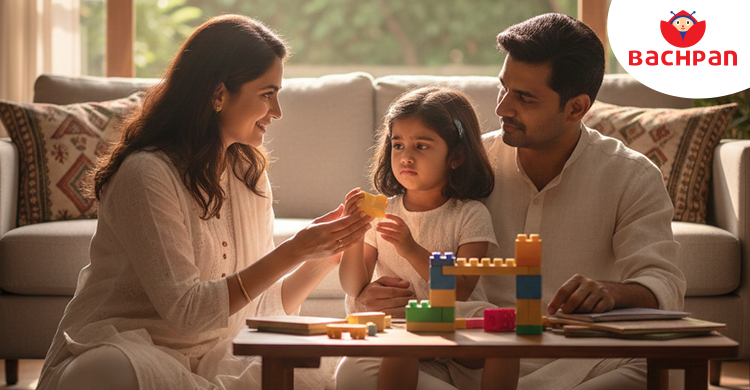
A good parent must possess both patience and understanding, particularly when their children act out or repeat the same mistake. Your child feels encouraged rather than afraid when you take a moment to calm down and say, “Let’s try again together.” This simple response helps them learn better and trust you more every day.
2. Consistent Love and Support
Preschoolers feel secure when they know you are close, caring, and steady. They can manage strong emotions with your soothing words and gentle actions. They require ongoing love and support at this age, such as when you sit next to them when they’re upset or when you compliment them on sharing a toy.
3. Good Communication Skills
How to be a good parent requires effective communication. Respond to your child’s questions and thoughts, speak clearly, and listen actively. Basic discussions, such as discussing their drawing or describing a toy, enable them to communicate their emotions, gain self-assurance, and feel understood, which enhances the significance and enjoyment of everyday interactions and education.
4. Setting Boundaries and Discipline for Kids
Establishing boundaries enables kids to understand expectations and feel safe. Telling a 4-year-old, for instance, “We wash hands before eating,” instills responsibility and routine. By guiding them to make better decisions while making them feel loved and supported, gentle discipline, such as explaining why hitting is unacceptable, builds confidence and trust.
5. Being a Role Model for Your Child
Setting a good example for your child is essential. Your actions speak louder than words because kids watch everything you do. They learn how to be kind, courteous, and considerate every day through simple behaviors like sharing, helping others, and saying “please” and “thank you.”
6. Encouraging Independence and Confidence
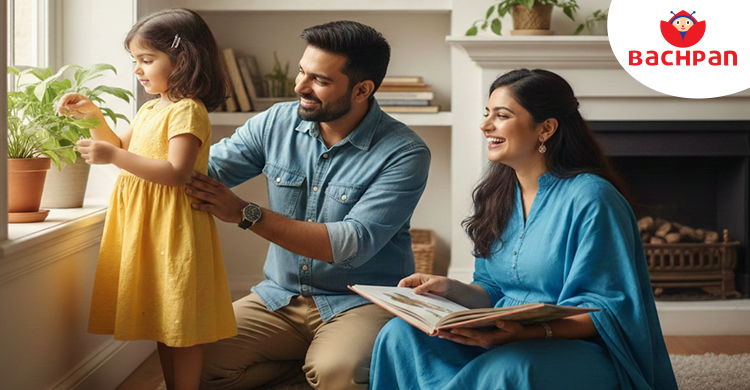
Little ones can safely explore the world when their independence and confidence are fostered. Praise your child’s effort when they attempt to pour water or put on their shoes. By teaching them that they can accomplish tasks independently, these tiny actions foster curiosity and self-belief, two qualities that are critical for early childhood development.
7. Showing Empathy and Compassion
Understanding your child’s emotions and reacting to them with consideration are key components of demonstrating empathy and compassion. When a preschooler falls and sobs, kneel, hug them, and say, “I know it hurts, you’re safe,” rather than simply saying, “It’s okay.” Children learn to confidently feel and express their emotions through small gestures like these.
Balancing Love and Boundaries
One of the key good parenting qualities is balancing love and boundaries, helping you guide your child while keeping them secure.
Setting Age-Appropriate Rules
Establishing guidelines that are appropriate for your child’s age and skill level is key to striking a balance between love and boundaries. Simple expectations, like cleaning up toys or finishing a snack, help preschoolers learn responsibility while also keeping them safe. Your child will feel safe, learn about boundaries, and gain confidence in their ability to make decisions if you combine warmth and consistency.
Handling Screen Time and Modern Parenting Challenges
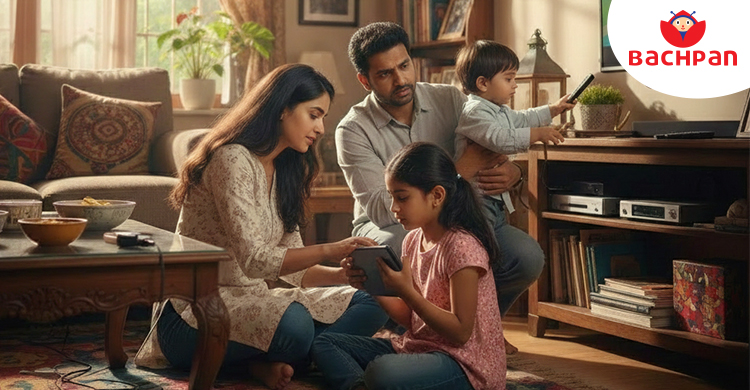
Achieving a balance between love and boundaries entails providing your child with thoughtful screen-time guidance. For instance, you could let them use tablets for twenty minutes before moving on to building blocks or a story. Preschoolers benefit from this while discovering that there are connections and enjoyment to be found outside of screens.
Tips to Improve Your Parenting Skills
Learn how to be a good parent while finding useful ways to improve your style and foster your child’s development.
Building Trust With Your Child
Being a patient listener and keeping your word are key to developing trust with your child. For instance, if you agree to read a story together after school, make sure to follow through on it. These small, regular acts give your child a sense of security, worth, and comprehension.
Learning to Adapt With Growth
Children’s needs change as they get older, and effective parenting requires the ability to adjust to these changes. A toddler who previously required assistance dressing, for instance, might begin attempting on their own; support them gently, acknowledge their little victories, and modify your instructions as they gain knowledge and experience.
Practising Positive Reinforcement Daily
Positive reinforcement is incredibly effective, so make it a daily habit! Give your child real praise or a high five when they paint a picture or assist with cleanup. These brief acts of support give your child confidence boosts, transform ordinary behaviours into learning experiences, and help them feel like they are seen.
How Bachpan Encourages Good Parenting Practices
How Bachpan helps parents raise confident kids is by providing the resources and encouragement you need to mentor your child daily. You can monitor learning, recognise accomplishments, and pick up useful tactics with the 360° Support App, blogs, masterclasses, and community forums. You can foster emotional intelligence and reinforce positive behaviours at home by participating in events and following the child-centric curriculum. This support helps your child become more self-assured, inquisitive, and content.
Conclusion — Parenting as a Journey, Not a Destination
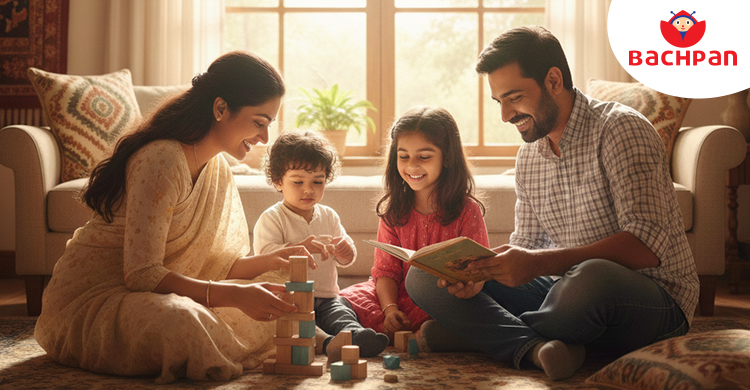
How to be a good parent is more about enjoying the journey with your child than it is about being perfect. Their development is shaped by every interaction, whether it be through listening, mentoring, or supporting. Remember, parenting is a journey, and every small step matters, so buckle up, enjoy the giggles, and maybe hide a cookie or two along the way! Continue your parenting journey with How To Bond With Your Child: Effective Parenting Tips for simple ways to connect and create joyful moments together.