



How to Dress Babies for Sleep: Room Temperature Roadmap

You may have wondered about this common dilemma: how to dress babies for sleep when the weather is always changing, and your little munchkin can’t tell you if they’re too hot or cold?
Experts from The Lullaby Trust suggest a simple guideline: dress your baby in one extra layer more than what you would comfortably wear in the same room.
In this blog, let’s break it down step by step, so you can confidently choose the right sleepwear based on room temperature and help your baby sleep safely and peacefully every night.
Why Room Temperature Matters for Baby Sleep
Understanding how to dress a baby for sleep by temperature can make a big difference in those peaceful nights—because the room’s warmth influences your baby’s comfort and sleep quality.
How Body Temperature Affects Baby Sleep Quality
Ever noticed how your baby sleeps better some nights than others?
Body temperature plays a bigger role than you might think. If your little one feels too warm or too chilly, sleep can become restless.
That’s why many experts recommend keeping the room temperature between 20°C and 22°C to create a safe and comfortable space where your baby can sleep peacefully.
Risks of Overheating or Under-Dressing at Night
- Overheating: Increases the risk of Sudden Infant Death Syndrome (SIDS). It can cause dehydration, heat rash, and life-threatening heatstroke
- Under-dressing: May lead to hypothermia, as infants cannot shiver to generate heat. It often causes restless sleep and weakens their immune response, increasing the risk of respiratory infections
Signs Your Baby Is Too Cold or Too Hot While Sleeping
Gently feel your baby’s stomach, back, or the nape of their neck—these are the best spots to check their core temperature. If they are sweaty, clammy, or have flushed cheeks, they are too hot.
If those areas feel chilly, add a light, breathable layer like a cotton onesie or a warmer sleep sack. Avoid thick blankets or hats, which can cause overheating.
Ideal Baby Sleep Temperature for Safe Rest
How to dress babies for sleep isn’t just about clothes—room temperature holds the hidden key to cosy and safe nights, gently guiding your little one into restful slumber.
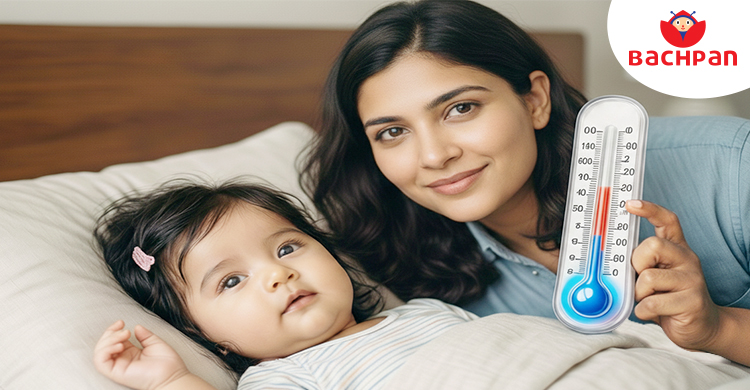
Best Room Temperature Range for Baby Sleep
To keep your baby safe, aim for 16°C to 20°C, as recommended by the National Health Service and The Lullaby Trust, to prevent overheating.
However, US experts like the American Academy of Paediatrics often suggest a slightly warmer temperature around 20°C to 22°C.
A good rule of thumb is to ensure the room feels comfortable to you; if you’re sweating, your little one definitely is too!
How to Check Your Baby’s Sleep Environment
Before your little munchkin goes to sleep, put your hand on their chest, stomach, or back—if it feels comfortably warm, you’re good.
To ensure a safe and restful sleep for your infant, check the room temperature, keep the bedding light, and remove any loose blankets or toys.
Baby Sleep Temperature Chart (°C & °F Guide)
Keeping your baby’s sleep temperature just right is key to safety and comfort. Here’s a baby sleep temperature chart to guide you:
| Room Temp. (°C) | Room Temp. (°F) | Room Condition | Clothing Guide |
| Below 18°C | Below 65°F | Cold | Long sleeve footie + heavy sleep sack |
| 18°C – 20°C | 65°F – 68°F | Comfortably Cool | Long-sleeve onesie + long-sleeve sleeper + sleep sack |
20°C – 22°C | 68°F – 72°F | Ideal / Moderate | Long-sleeve onesie + cotton sleepsuit |
22°C – 24°C | 72°F – 75°F | Warm | Short-sleeve onesie + thin sleep sack |
24°C+ | 75°F+ | Hot | Diaper only / short-sleeve onesie |
How to Dress Babies for Sleep by Temperature
Now that you know the ideal room range, it’s time to dress baby for sleep by temperature—because the right temperature can turn an ordinary night into safe, uninterrupted rest.
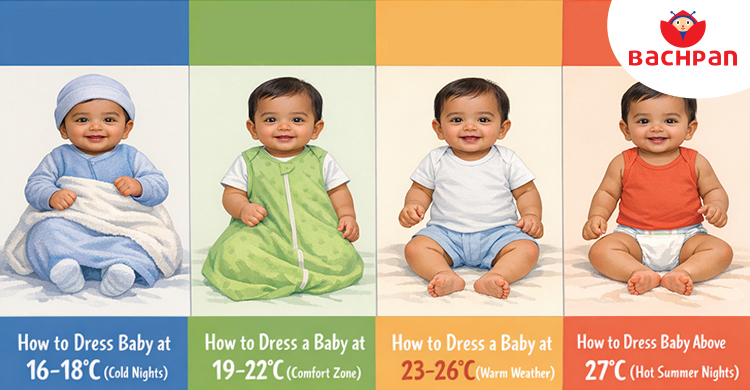
How to Dress Baby at 16–18°C (Cold Nights)
Feeling a slight chill in the room? Your baby probably does too.
Start with a soft cotton onesie, layer a full-sleeve romper on top, and add a lightweight baby sleep sack. Avoid using loose blankets.
Touch their back or chest after you’ve settled them in; anything warm and comforting is ideal.
How to Dress a Baby at 19–22°C (Comfort Zone)
This is that “just right” temperature. Usually, a lightweight sleepsuit and a soft cotton onesie suffice; no need for extra layers.
If the room feels comfortable to you, your baby is probably comfortable as well. Simply watch for any indications of chills or overheating.
How to Dress a Baby at 23–26°C (Warm Weather)
When the room is warm, dress your baby lightly. Usually, one thin sleepsuit or cotton onesie is sufficient.
Steer clear of additional layers. Make sure your child has a safe and comfortable sleep environment so they can sleep well through the night.
How to Dress Baby Above 27°C (Hot Summer Nights)
When it’s really hot, less is definitely more. Dress your baby in just a diaper or a short-sleeved cotton onesie. Use organic, breathable materials, such as bamboo or cotton.
Choose a lightweight, extremely thin sleep sack if your baby needs one. Avoid using mittens, socks, or hats; they are not needed and can make your baby too warm.
Baby Sleep Clothing Guide by Season
Discover the secrets in our baby sleep clothing guide—how subtle changes in layers and fabrics across seasons can quietly shape your little one’s comfort and peaceful sleep.
What Should Baby Wear to Sleep in Winter
For chilly nights, use a swaddle or a fitted sleep sack—these keep your baby cosy all night and stay in place, so there’s less chance of getting cold. Choose soft, breathable fabrics like cotton, muslin, or bamboo.
Avoid thick synthetic materials, which can trap heat and make your baby overheat.
How to Dress a Baby for Sleep in Summer
When learning how to dress babies for sleep, a short-sleeved onesie or a light summer romper is usually perfect for warm nights!
If you have got the fan or AC on at a comfortable temperature, a long-sleeve sleepsuit can help keep their hands and feet cosy. Don’t worry if their arms or legs are exposed in a onesie—they will be just fine.
Spring and Monsoon Baby Sleepwear Tips
Spring and monsoon can be tricky, right? Don’t worry, following baby sleepwear by season tips will help:
- Dress your baby in quick-dry cotton and keep spares handy for damp days
- Choose light full-sleeve tops and leggings to protect against mosquito bites
- Avoid damp clothes—always make sure outfits are fully dry
- If your baby walks, use soft, waterproof booties or sandals
Choosing Safe and Comfortable Baby Sleepwear
What should a baby wear to sleep? From fabrics to layers, the right sleepwear shapes your baby’s comfort in ways you might not expect.
Best Fabrics for Baby Sleep Clothing
Think soft and breezy when it comes to bedtime!
Cotton, muslin, or bamboo are your baby’s best friends—they keep your little one comfy and help avoid overheating. Steer clear of synthetics like polyester, which can irritate sensitive skin and trap heat.
After all, the right fabric is the secret to cosy nights and a happy baby!
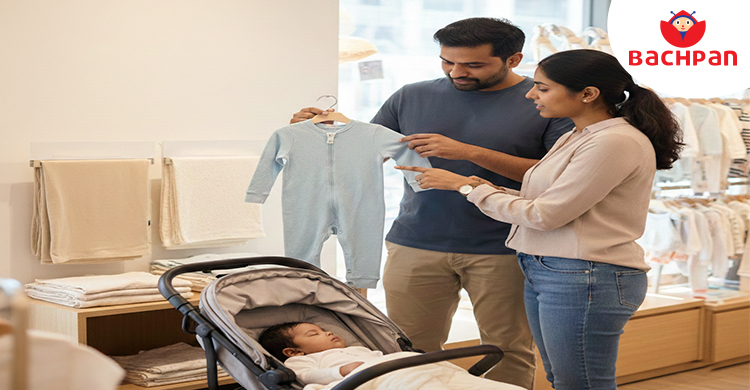
TOG Rating Explained for Baby Sleep Sacks
The Thermal Overall Grade (TOG) rating tells you how warm that sleep sack will keep your baby.
- Low TOG (0.2–1): The sleep sack is very thin and light, meant for warm rooms or summer nights
- Medium TOG (1–2.5): The sleep sack is thicker, providing moderate warmth for normal room temperatures
- High TOG (2.5+): The sleep sack is thick and snug, perfect for cool or winter rooms
What to Avoid in Baby Night Clothes
A baby’s skin may become irritated by clothing that is too tight, scratchy, or non-breathable. Skip clothes with loose buttons, beads, or bows that could come off.
Also, avoid heavy blankets or hats. Fitted, simple sleepwear keeps your baby safe, cosy, and comfortable all night.
Common Mistakes Parents Make When Dressing Babies for Sleep
When it comes to how to dress babies for sleep, a few small, unnoticed mistakes can affect your baby’s comfort. Let’s take a closer look at what parents often overlook.
Over-Layering and Heavy Blankets
It’s natural to assume that adding layers will make your baby more comfortable, but over-layering can make your baby too warm and restless.
Heavy blankets may shift during the night and aren’t recommended for safe sleep. Choose sleepwear that will keep your infant warm without being too hot, rather than adding layers.
Ignoring Room Temperature
Ignoring the room temperature can leave your baby too hot or too cold through the night. Overheating may cause sweating, restlessness, and disturbed sleep, while a cold room can make them uncomfortable and wakeful.
Not checking the temperature often leads to unnecessary layering or underdressing. Always dress according to the room, not the season alone.
Not Adjusting Clothes as the Weather Changes
Imagine dressing your baby in warm winter layers, but the weather suddenly turns humid or warmer at night. What felt right last week may now cause sweating and discomfort.
On the other hand, a sudden temperature drop without adding a layer can leave your baby cold and restless. These small oversights can disturb sleep and affect your baby’s comfort more than you realise.
Quick Tips to Dress Baby for Safe Night Sleep
Getting how to dress a baby at night right doesn’t have to feel confusing. With a few simple and thoughtful choices, you can create a sleep setup that keeps your little one safe and cosy.
Simple Layering Rule for Baby Sleep
Not sure how many layers are enough?
Here’s a simple trick: dress your baby in one light layer more than you’re comfortably wearing in the same room. If you feel warm, they probably do too.
Start with a breathable base layer and add only what the room temperature calls for.
Layer smart, not heavy.
How to Test If Baby Is Comfortable at Night
When learning how to dress babies for sleep, a simple check helps: gently feel your baby’s chest, tummy, or back.
If they feel warm and dry, their sleepwear is just right. If they feel sweaty or cold, adjust a layer to keep them comfortable throughout the night.
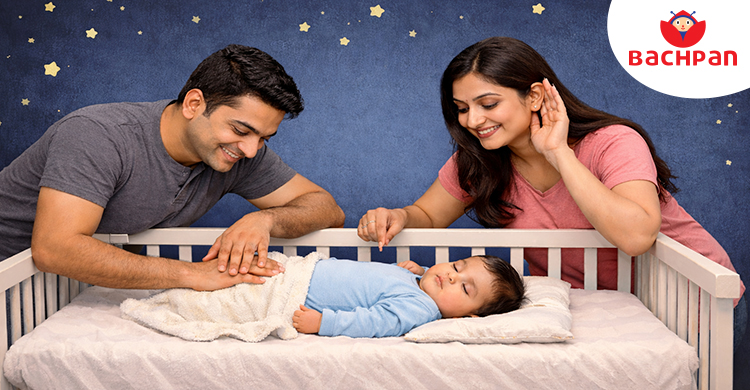
Night-Time Checklist for Baby Sleep Safety
✅ Place your baby on a firm crib or bassinet mattress, free of pillows, blankets, or toys
✅ Always put your baby on their back to sleep
✅ When outside the crib, stay alert and move the baby to a flat sleep surface
✅ Use non-weighted swaddles, keep them close around the chest, and loose around the hips
Conclusion (80 words)
If you’ve ever worried about your baby being too hot while sleeping, the key is creating a safe, comfortable sleep environment. Paying attention to layers, breathable fabrics, TOG-rated sleep sacks, and room temperature helps your baby sleep peacefully.
Think of your baby’s sleep space like a cosy little nest. Are the surfaces firm and clear? Is the swaddle snug but comfy? By keeping an eye on these details and checking in gently, you create a calm and secure environment.
To keep every night safe and calm for your little one, discover more in Powerful Baby Safety Tips at Home for New Parents.
FAQs on How to Dress Babies for Sleep
Ans. Dress your baby in breathable sleepwear appropriate for the room temperature, usually one light layer more than you’re wearing comfortably.
Ans. The ideal room temperature for a baby’s sleep is around 20–22°C (68–72°F), which helps prevent overheating while keeping them comfortably warm.
Ans. Check the baby’s chest, neck, or stomach—sweaty, flushed cheeks, or wet hair means too hot; unsettled, waking frequently, or fussiness means too cold.
Ans. TOG (Thermal Overall Grade) shows how warm a sleep sack is, helping keep your baby safe and comfortable by preventing overheating or chilling.
Ans. Yes, overheating is very dangerous for babies because they can’t regulate their body temperature well. It can cause dehydration, heat rash, heat exhaustion, heatstroke, and increase the risk of Sudden Infant Death Syndrome (SIDS).