


Teaching Kids About Culture And Traditions For Better Growth
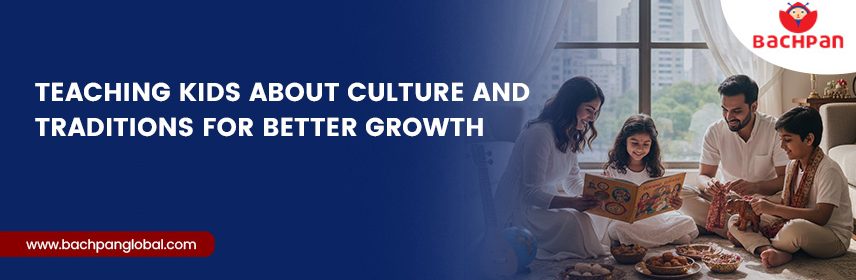
Teaching kids about culture and traditions helps them explore the world in fun and meaningful ways. For example, when you explain the story behind a festival or when you cook a traditional family recipe together, they not only learn about their roots but also create lasting memories.
Curiosity and empathy are sparked when your child is exposed to different cultures through games, music, storytelling, and much more. You help them develop into self-assured, socially conscious, and culturally sensitive individuals.
Teaching kids about culture and traditions becomes even more impactful when introduced early, highlighting the importance of preschool education in shaping lifelong values.
Why Culture and Traditions Matter for Children
The importance of teaching kids about culture goes beyond traditions. It shapes their thinking, values, and understanding of the world. So, how does it really happen? Let’s find out!
Understanding Identity and Belonging
Through customs and culture, children get to understand who they are. For instance, discovering a grandparent’s folktale may inspire interest in their family history.
At the same time, experiencing others’ traditions, like attending a neighbour’s festival, helps build empathy and creates a sense of belonging among children.
Developing Strong Moral Values
Your child learns moral values like honesty, kindness, and respect when you share ethnic stories and celebrate traditions with them. It is a wonderful method for teaching traditions to kids. These lessons help build honesty, respect, and responsibility, reinforcing the importance of moral values in children from an early age.
For instance, celebrating Holi with your little one teaches them about forgiveness, unity, and letting go of grudges, in addition to being a colourful and enjoyable experience.
Building Emotional and Social Awareness
By teaching kids about culture and traditions, they learn cooperation, sharing, and joy as they actively take part in meaningful cultural activities.
Engaging in these activities lays the groundwork for strong emotional intelligence and positive social relationships. It helps the little ones identify and manage their own emotions, understand those of others, and cultivate empathy.
Benefits of Teaching Kids About Culture Early On
It becomes evident why culture is important for kids when you consider how early exposure to customs and stories fosters social development, understanding of values, and interpersonal connections. Let’s explore the benefits in detail.
Enhances Cognitive and Language Development
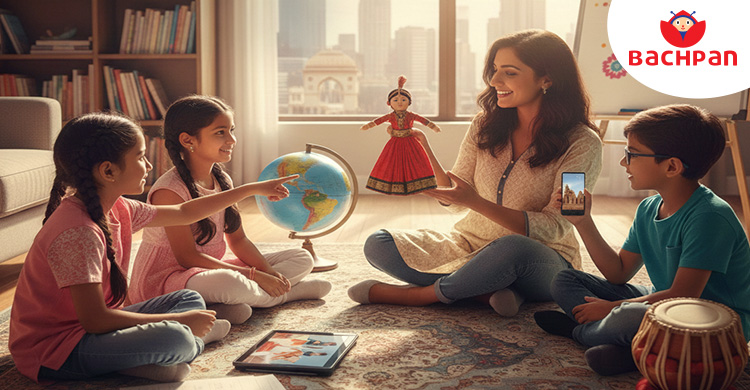
Early cultural exposure — through songs, storytelling, or festivals — stimulates children’s verbal and cognitive abilities.
For instance, telling a Diwali tale or memorising traditional rhymes nurtures cultural values for children, promoting vocabulary development, understanding, and creativity. Moreover, it enhances their cognitive capacities while providing them with an interesting and fulfilling educational experience.
Encourages Respect, Empathy, and Gratitude
You can help your child see the world from the perspectives of others by introducing them to various cultures and customs.
These encounters help your child grow in respect, empathy, and gratitude, which will help them become considerate, caring, and socially conscious individuals.
Strengthens Family Bonds Across Generations
When teaching kids about culture and traditions, you create special moments with them.
For example, looking through old family photographs and telling the stories behind them helps your child connect with past generations, which strengthens family bonds while fostering a sense of identity and belonging.
Simple Ways to Teach Culture and Traditions to Preschoolers
Culture and traditions for kids can be introduced through simple and enjoyable activities. Have you ever wondered how your child can feel more connected to their roots? Let’s explore!
Storytelling and Moral Tales
You can use storytelling to highlight the importance of culture for children, helping your little one understand culture and values.
For instance, sharing the story of The Thirsty Crow teaches patience, creativity, and problem-solving skills. It also helps your child grasp moral teachings and connect with classic cultural stories in a memorable and captivating way.
Festivals, Celebrations, and Rituals
Teaching culture can be done simply by sharing festivals and traditions. Your child can learn meanings, feelings, and values through enjoyable activities like Christmas decorations, Holi colour play, and much more.
Preschoolers benefit from these festivities by naturally connecting, communicating, and developing cultural knowledge. Participating in festival celebrations in preschool helps children experience traditions firsthand while learning respect for diversity.
Cultural Songs, Rhymes, and Folk Activities
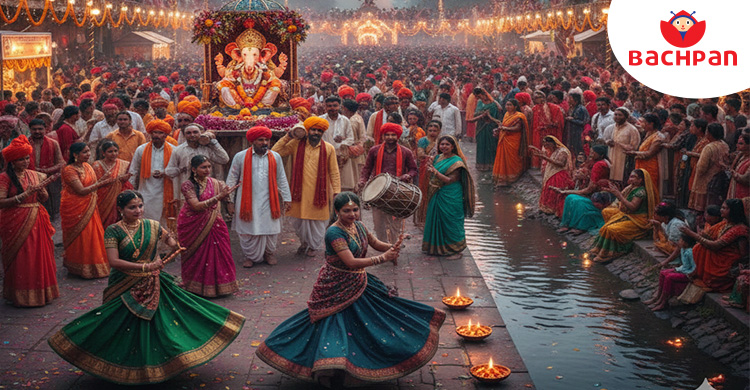
The importance of culture for children becomes clearer when you make traditions fun for preschoolers through cultural songs, rhymes, and folk activities.
Hands-On Activities Like Art, Crafts, and Dress-Up
Your preschooler may learn about culture through engaging and practical activities.
Making a miniature of a Diwali lantern or dressing up in traditional clothing, for instance, allows your child to actively explore customs, making learning interesting and igniting curiosity, creativity, and a stronger bond with their cultural background.
Role of Preschools in Preserving Cultural Learning
Teaching traditions to kids in preschools helps lay a strong foundation. How are cultural awareness and respect fostered in early learning environments? Let’s explore this in detail.
Integrating Culture Through Daily Activities
Preschools use everyday activities to bring culture to life. Little ones not only study but also experience culture as they explore folktales from around the world or create colourful artwork influenced by traditions.
For instance, kids can learn morals while having fun with friends by participating in a mini-puppet show based on classic tales.
Celebrating Festivals in Meaningful Ways
By celebrating the holidays meticulously, preschools contribute significantly to cultural learning for preschoolers. They make learning relevant and unforgettable by using music, stories, and practical exercises to help kids comprehend customs and feel the excitement and values of each event.
For example, during Lohri or Christmas, children exchange greetings, sing songs together, and learn the significance of these occasions.
Using Stories and Concept Rooms to Build Cultural Understanding
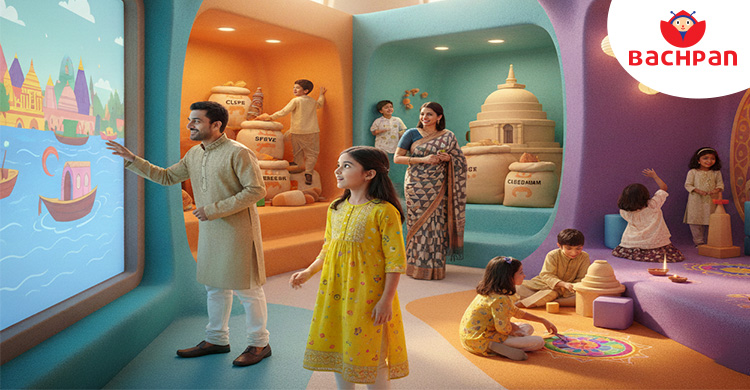
In preschools, children explore culture through stories and concept rooms.
Imagine your child role-playing as a character from a folk tale or a traditional market vendor. These playful experiences let them actively learn and have fun while exploring traditions, values, and heritage.
How Bachpan Preschool Encourages Cultural Learning
Not only stories and songs, Bachpan’s cultural learning for preschoolers also uses everyday activities and experiences to foster your child’s curiosity about the world and help them connect with traditions.
Child-Centric Curriculum With Cultural Values
The child-centred SPROUT program at Bachpan preschool integrates cultural values for children into holistic education.
Through play-based activities, stories, songs, and other learning tools, such as Speak-O-Kit and SILK, children develop respect, cooperation, and cultural sensitivity. They engage with family traditions, holidays, and social experiences both at home and at school.
Festive Celebrations That Teach Meaning and Joy
Bachpan preschool promotes the importance of teaching kids about culture through joyful festivals that are both fun and significant.
Children engage in activities such as making diya decorations for Diwali or creating Christmas decorations, which promote creativity, curiosity, and a sense of community, while helping them appreciate customs, values, and joy.
Activities That Build Identity, Respect, and Social Skills
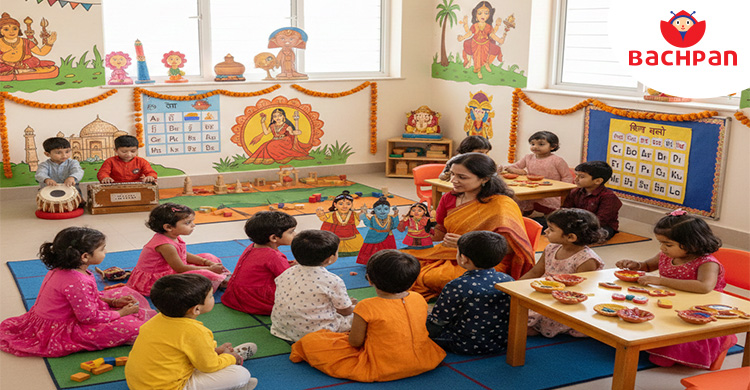
At Bachpan preschool, your child develops identity, self-assurance, and social skills through cultural education for preschoolers. This is supported by role-playing in concept rooms, circle time, and positive jar activities.
They also gain respect, empathy, responsibility, and an early understanding of diverse cultures through collaborative art projects, group activities, and etiquette training.
Tips for Parents to Continue Cultural Learning at Home
Teaching kids about culture and traditions extends beyond the classroom. You can foster your child’s exploration of values, heritage, and empathy through simple everyday activities at home.
Share Stories of Family and Traditions
By telling tales about your family and customs to your child, you can carry on cultural education for preschoolers at home.
Children learn about their heritage, develop a sense of identity, and gain respect, empathy, and belonging by hearing about their grandparents’ celebrations of holidays or their early experiences.
Involve Kids in Simple Rituals and Festive Preparations
Parents can actively promote culture and traditions for kids by including them in daily routines and holiday preparations, making heritage education enjoyable, significant, and an integral part of daily life.
Allowing your child to assist with setting the table for a family meal or decorating a Diwali diya, for instance, teaches them appreciation, tradition, and responsibility.
Create Fun Cultural Learning Activities at Home
By coming up with enjoyable activities, parents can extend traditional learning for preschoolers, allowing cultural learning to continue at home as well.
To encourage creativity, curiosity, and cultural awareness, set up a craft corner where your child can create traditional art, or arrange a brief storytelling session where they exchange folktales.
Conclusion: Culture Builds Confident, Value-Driven Kids
With traditional learning for preschoolers, you can help your child develop into a confident and value-driven individual. Self-awareness, empathy, and respect are nurtured through cultural tales, the celebration of customs, and practical activities.
These early experiences help your child develop a strong sense of identity, social skills, and moral understanding, while making learning enjoyable and meaningful, preparing your child for success in a diverse and interconnected world. To learn more, visit us at https://www.bachpanglobal.com/.