



20 Best Fine Motor Activities for Preschoolers at Home
Imagine your child’s little fingers exploring the world like tiny artists, creating miniature works of art with each pinch, twist, and shape through fine motor activities for preschoolers at home.
Such activities foster coordination, creativity, and confidence, transforming routine play into meaningful learning experiences. These exercises, which range from easy games to entertaining challenges, make the development of new skills enjoyable and interesting.
Let’s make every little moment matter with happiness and exploration, kyunki bachpan sirf ek baar aata hai!
What Are Fine Motor Skills in Preschoolers?
Fine motor skills for preschoolers mean the development and use of small muscles in their hands, fingers, and wrists for precise tasks that build coordination, control, and independence. Fine motor activities play a key role in early development, which is why understanding the importance of preschool education is essential for parents.
These skills develop naturally through play. Curious how your child’s everyday play builds both strength and creativity? Let’s find out!
Importance of Fine Motor Development in Early Years
Preschool fine motor activities create doorways to curiosity, problem-solving, and discovery with every single movement, much like secret keys unlocking your child’s universe.
Little hands are gently turned into tools for learning, exploration, and limitless imagination through simple play with beads, blocks, clay, and much more.
Benefits of Fine Motor Activities at Home
Fine motor activities at home offer countless growth opportunities. Curious how simple play can support your child’s development? Let’s explore the many ways these activities make a difference.
Improves Hand-Eye Coordination
Ever watch your child drop a block or miss a cup? That’s their hands learning!
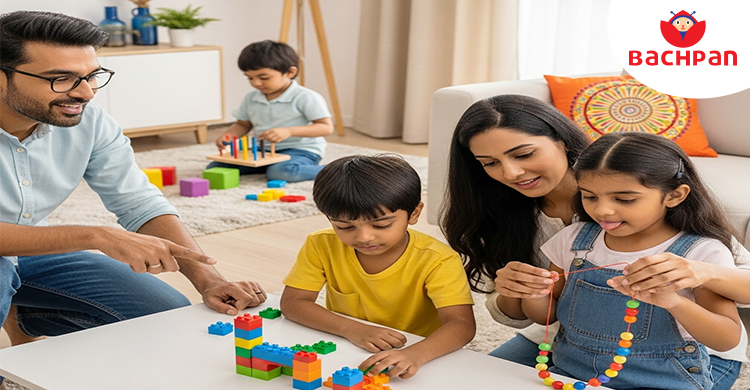
They can improve their hand-eye coordination by playing simple activities like stacking, sorting, or threading, which allow kids to laugh and have fun while turning small errors into big skills.
Builds Focus, Confidence, and Independence
Every time your child attempts a new task, such as sorting, pouring, or sketching, they are subtly developing independence, confidence, and attention.
One lighthearted stride at a time, these small victories help kids feel competent, inquisitive, and prepared to take on challenges.
20 Best Fine Motor Activities for Preschoolers at Home
Looking for creative ways to keep little hands busy? Fine motor activities for preschoolers at home turn everyday play into fun, learning, and discovery.
1. Playdough Rolling and Pinching
Watch the magic happen when you give your child some playdough!
Rolling it into snakes or pinching it into tiny shapes strengthens fingers and hands, while sparking creativity. Even simple tasks, like making little balls, help playfully develop control and coordination.
2. Bead Threading and Lacing
Bring your child a string and a variety of vibrant beads. Ask them to create a bracelet for themselves or a necklace for a friend.
As they thread each bead, they practice focus, hand control, and coordination while having fun.
3. Paper Tearing and Pasting
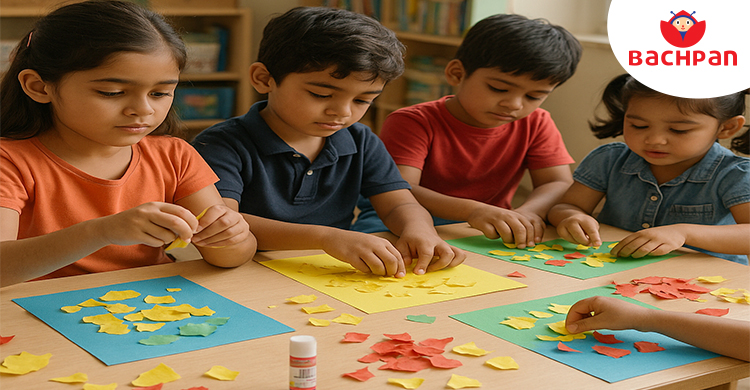
Give your kid coloured paper and glue, and ask them to make a “crazy monster” using paper pieces for clothing, hair, and eyes.
As they tear and paste, they will enjoy using their imaginations, and each tiny piece will strengthen their fingers.
4. Sorting Small Objects
Place a variety of vibrant buttons, coins, or beads on the table and ask your child to sort them by size, shape, or colour.
Letting them arrange and organise turns a simple task into an entertaining game that stimulates the brain.
5. Buttoning and Zipping Practice
Give your child a jacket or shirt with buttons and zippers, and let them try fastening and unfastening by themselves.
Each little success boosts confidence and makes getting dressed feel like a fun challenge rather than a chore.
6. Drawing, Colouring, and Tracing
Put a piece of paper and some pencils or crayons in front of your little one, and let them make colourful pictures, trace letters, or draw shapes.
This entertaining exercise introduces early writing skills while enhancing hand control, concentration, and creativity.
7. Using Child-Safe Scissors
Hand your kid child-safe scissors and watch their excitement grow as they cut paper strips, zigzags, or simple shapes.
Fine motor development in preschoolers takes shape as they learn to control, direct, and exhibit patience, transforming careful cutting into a fun and confidence-boosting experience.
8. Clothespin Activities
Turn clothespins into a playful challenge by asking your child to hang socks on a string or match pins to coloured cards.
Little hands are kept occupied by the squeezing motion, which also promotes focus and turns commonplace things into enjoyable puzzles.
9. Building with Blocks and LEGO
Allow your child to construct anything they can think of, such as a tower, a bridge, or a little house, using blocks or LEGO parts.
Children gain control, patience, and problem-solving skills as they put the parts together and confidently make something of their own.

10. Puzzle Solving
Remember the joy of fitting the last puzzle piece just right?
Ask your child to complete easy puzzles, and you will see the same thrill. Matching shapes and pictures makes problem-solving enjoyable and boosts confidence by promoting patience, concentration, and critical thinking.
11. Transferring Objects with a Spoon
Set up two bowls and a spoon, and let your child transfer small items from one to the other.
It feels like a pleasant task to move carefully without spilling, which encourages kids to slow down, maintain concentration, and improve their control through play.
12. Sticker Peeling and Pasting
Although peeling a sticker can seem easy, it’s a huge victory for tiny hands!
This activity supports fine motor skills for preschoolers as kids carefully lift, arrange, and press stickers. It’s a quiet work that turns into an enjoyable approach to exercise patience and control.
13. Finger Painting and Art Play
Imagine your child’s fingers exploring a blank canvas like tiny paintbrushes.
Through limitless experimentation, colour mixing, and shape creation, finger painting and art play foster creativity, hand control, and sensory discovery while transforming each swipe and dab into an enjoyable learning experience.
14. Coin Sorting and Dropping
Allowing your child to sort coins by size or colour and then place them in jars or piggy banks can turn this task into an entertaining educational game.
This exercise improves coordination, hand control, and focus while transforming commonplace items into engaging tools for skill development.
15. Pouring Water or Grains
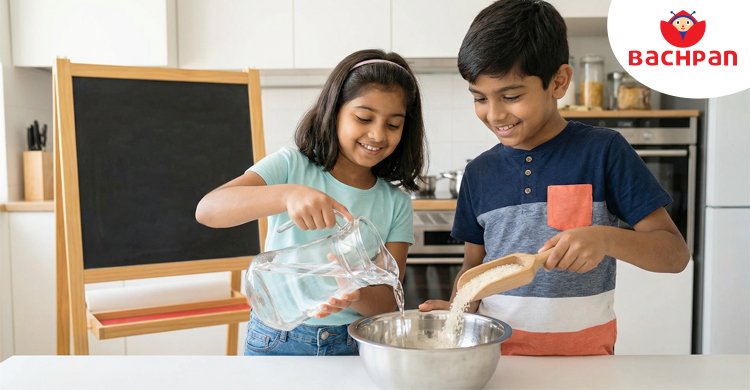
Fill a cup with water or grains and give your child an empty one. Challenge them to pour slowly and carefully.
This playful exercise supports fine motor skills for preschoolers, strengthening hand control, concentration, and coordination. This turns a simple task into a fun and skill-building activity that they will enjoy.
16. Threading Pasta or Straws
Take a length of thread and some uncooked pasta or cut straws, and ask your child to thread each piece individually.
With each colourful pasta piece or straw tube, this practical exercise turns fine motor practice into an entertaining game that enhances finger strength, coordination, and focus.
17. Opening and Closing Containers
Give your child lidded jars, boxes, or snack containers so they can practice opening and closing them.
Twisting, pushing, and snapping transform a routine daily task into a fun, interactive learning exercise that strengthens fingers, improves coordination, and builds independence.
18. Sensory Bin Exploration
Place small toys inside a bin filled with sand, rice, or beans. Allow your child to explore, dig, and scoop.
This entertaining game turns messy fun into practical learning while stimulating the senses, improving focus, and strengthening fine motor abilities.
19. Using Tweezers or Tongs
Ever wonder how tiny tools can make little hands stronger?
Allow your kid to pick up beads or pom-poms with tweezers or tongs. A simple game becomes an engaging fine motor challenge as each deliberate grab increases focus, coordination, and precision.
20. Simple Origami or Paper Folding
Show your child how to fold a sheet of paper into boats, animals, or hats. It is one of the best fine motor activities for preschool learning.
Each crease and fold strengthens hand coordination, improves thinking ability, and sparks creativity. Such activities let them enjoy the process while playfully developing fine motor skills.
How to Make Fine Motor Activities Safe and Fun at Home
Making fine motor activities for preschoolers at home safe and enjoyable is easy with a few simple tips. It turns everyday play into creative, hands-on learning your child will love. At Bachpan, such hands-on learning is enhanced through smart classes in preschool, making activities more engaging and development-focused.
Choose Age-Appropriate Materials
Choose child-safe scissors, chunky crayons, or large beads that your child can grasp securely.
For example, a preschooler can confidently use safety scissors to cut simple shapes, which makes practice fun, builds confidence, and prevents frustration.
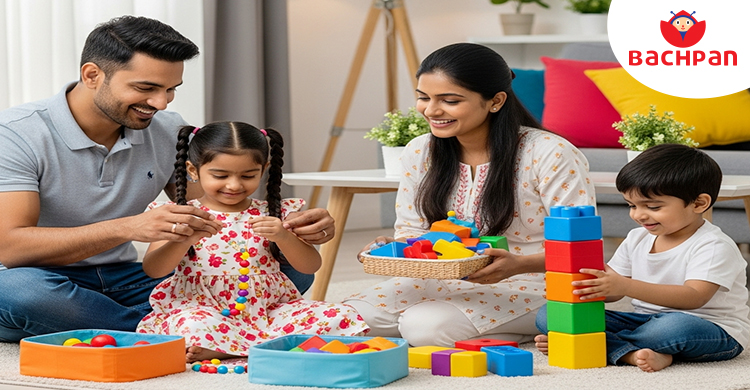
Turn Daily Tasks into Learning Opportunities
Make daily tasks enjoyable and skill-building! Encourage your little one to help with tasks like mixing batter, pouring cereal, or matching socks.
These fine motor activities at home improve independence, coordination, and focus, demonstrating that learning can occur in the small moments of daily life. Practising these activities together also helps in bonding well with your child while supporting their growth at home.
Role of Preschools in Supporting Fine Motor Development
Preschool activities for fine motor skills play a key role in helping children strengthen hand control, coordination, and confidence, laying the foundation for learning through playful and hands-on experiences.
Activity-Based Learning in Preschool
In preschool, activity-based learning transforms each task into a practical lesson.
During guided play, for instance, kids might paint, stack blocks, or sort things, organically improving fine motor skills while discovering, playing, and having fun in a child-centred and interactive setting.
Concept Rooms and Skill-Based Play
At preschools like Bachpan, every corner sparks discovery!
From the Ball Room for active fun to the Art & Craft Room for creativity, children experience the best fine motor activities for preschool learning through skill-based play.
They learn coordination, social skills, and problem-solving, all while having fun and growing holistically.
Tips for Parents to Encourage Fine Motor Skills Daily
Discover simple ways to support your child’s growth with fine motor activities for preschoolers at home, turning everyday routines into playful opportunities for skill-building and confidence.
Encourage Independent Play
During playtime, let your child take the initiative. Arrange puzzles, crayons, or bricks, then take a step back and let them explore independently.
As they solve problems on their own, they develop concentration, self-assurance, and fine motor skills, learning that “I can do it myself!”
Celebrate Small Achievements
Celebrate the little wins, they matter more than you think! When your child buttons a shirt alone or finishes a drawing, clap, smile, or say “Well done!”
These small moments boost confidence and motivation, encouraging them to keep trying, practising, and believing in their abilities every day.
Conclusion: Strengthening Little Hands Through Daily Play
Little hands can be strengthened with time, patience, and playful moments; no fancy equipment is needed. From building and painting to pouring and folding, fine motor activities for preschool transform simple play into important learning.
Your little one will become more self-assured, competent, and curious if you support these modest behaviours daily.
While fine motor activities can be practised at home, choosing the right preschool plays a vital role in consistent skill development. Explore our Ultimate Guide to Choosing the Right Preschool to make an informed decision for your child.
So keep the play going, celebrate the progress, and remember, each tiny effort today shapes big abilities for tomorrow. To explore more insights on nurturing your preschooler’s development, check out our blog: What’s the Importance of Development Skills in Preschoolers?